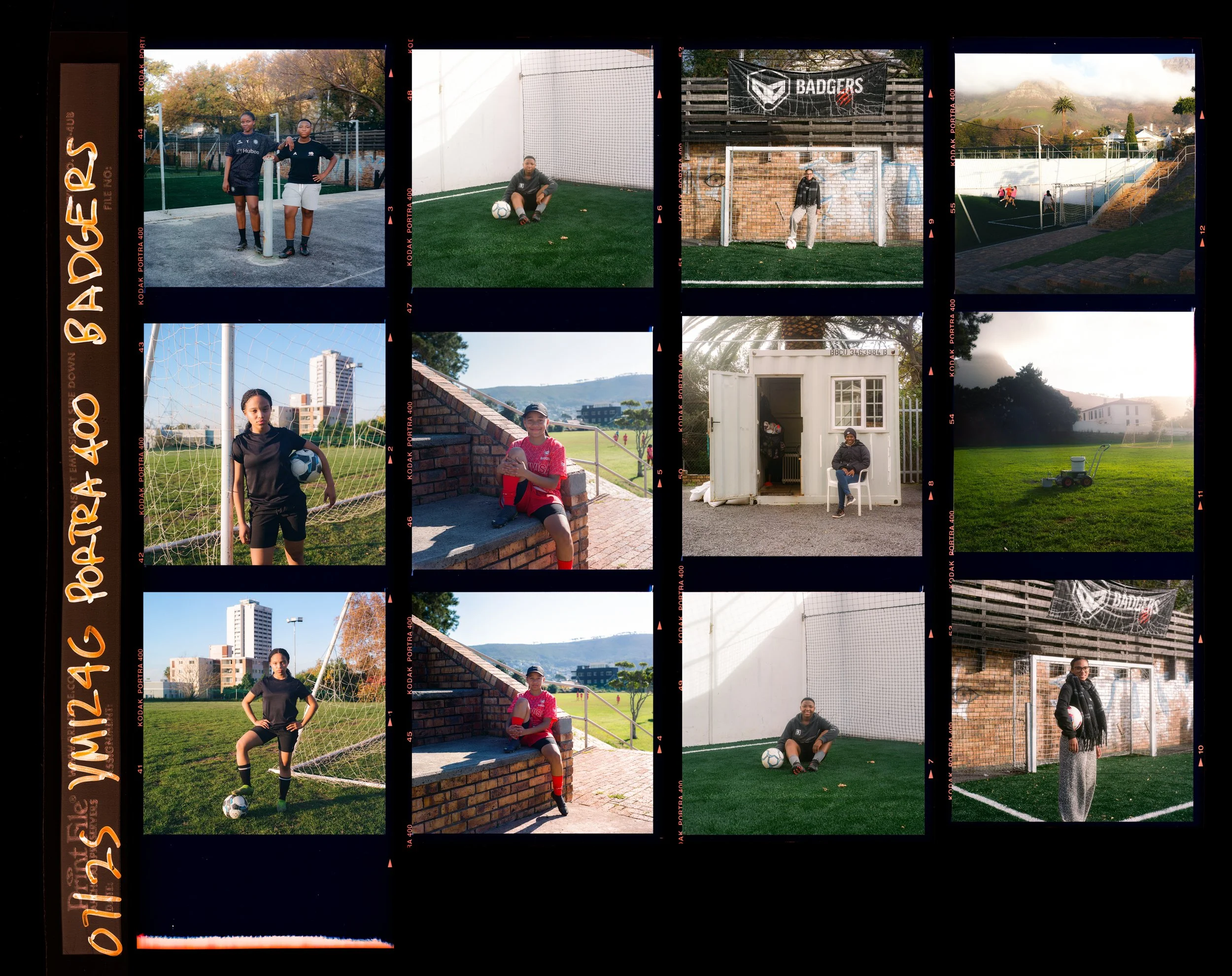
To Be A Badger: A story of women’s football in South Africa.
See the story on Instagram
By Liam Harwood
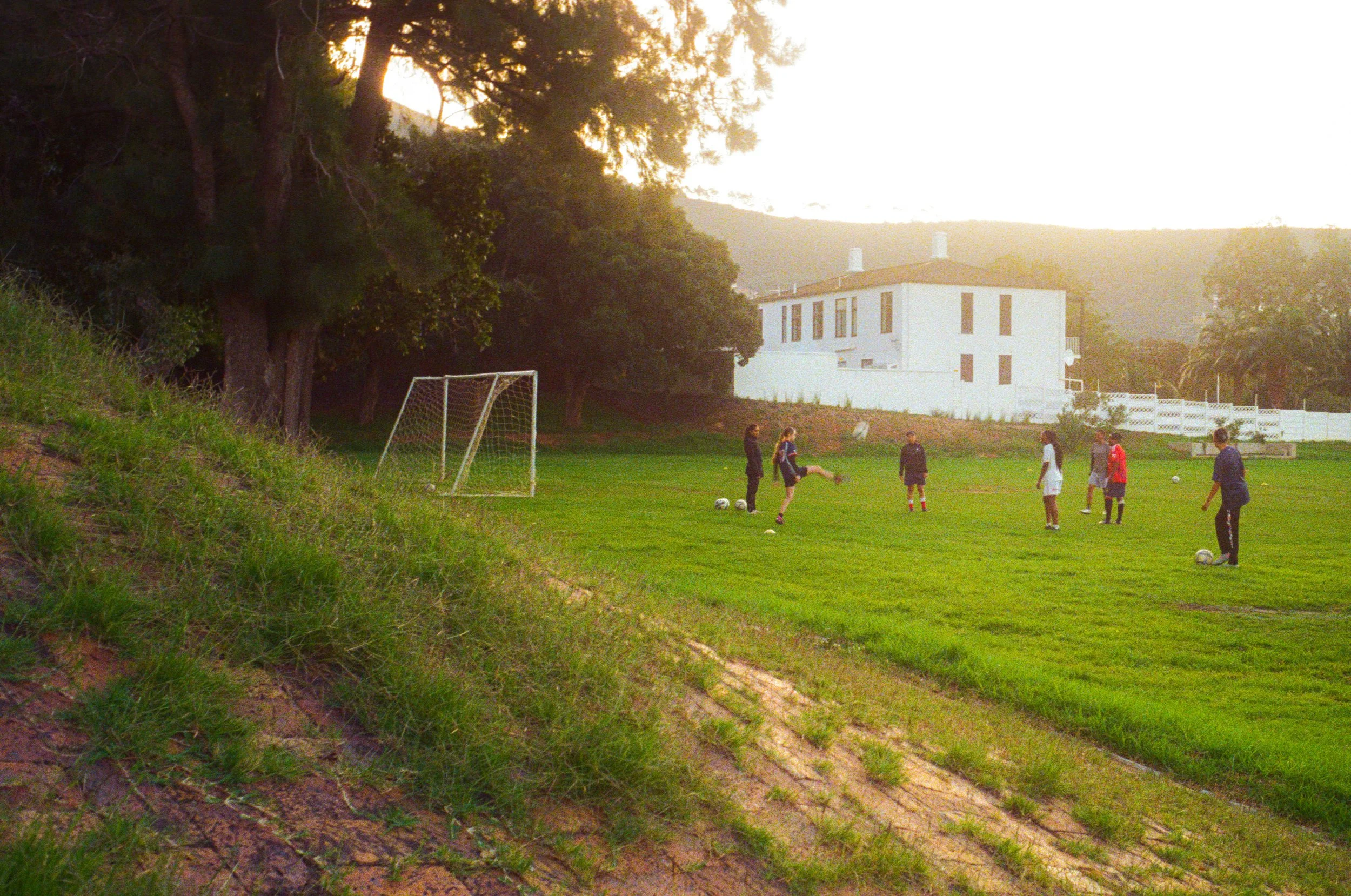
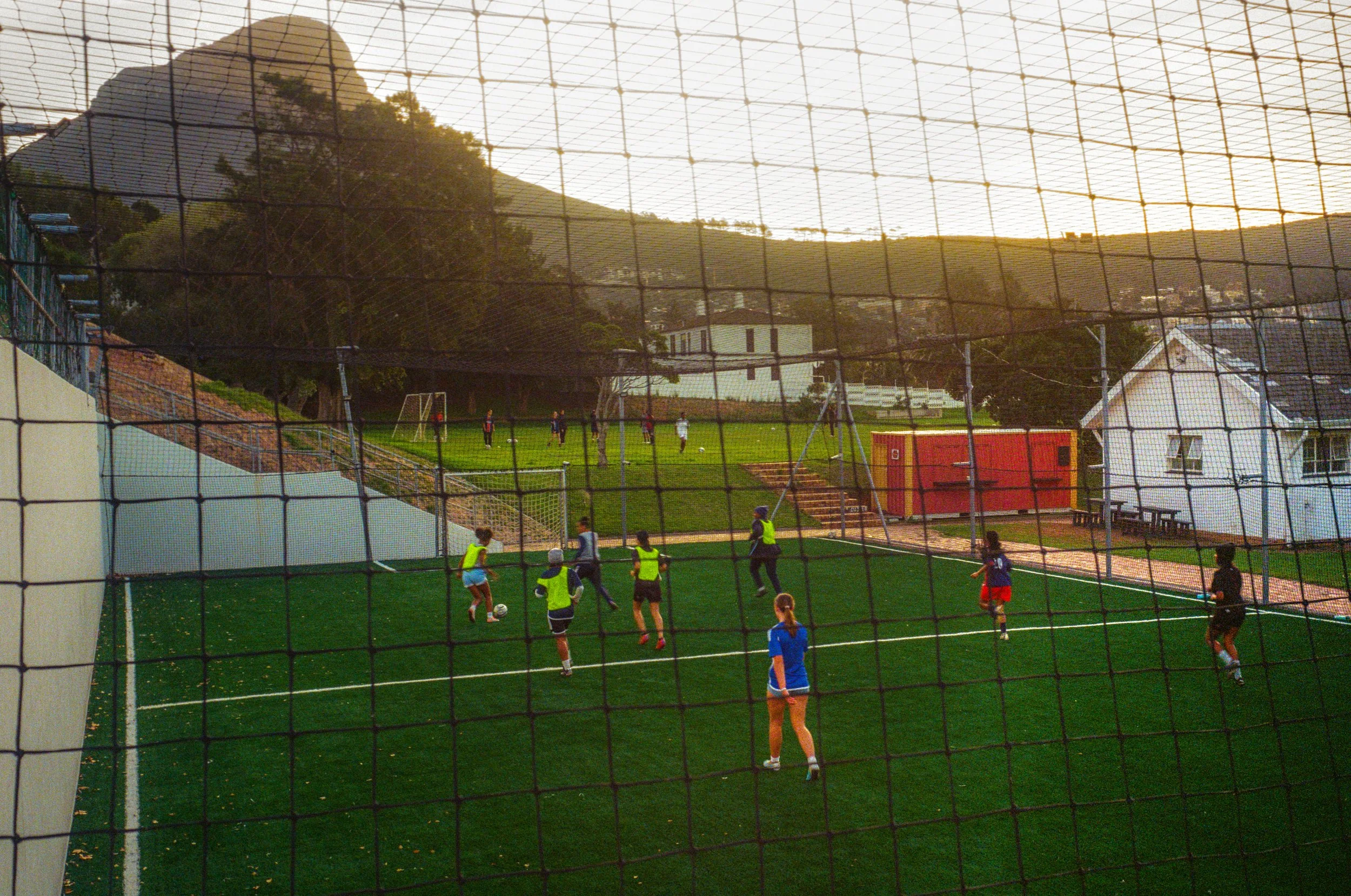
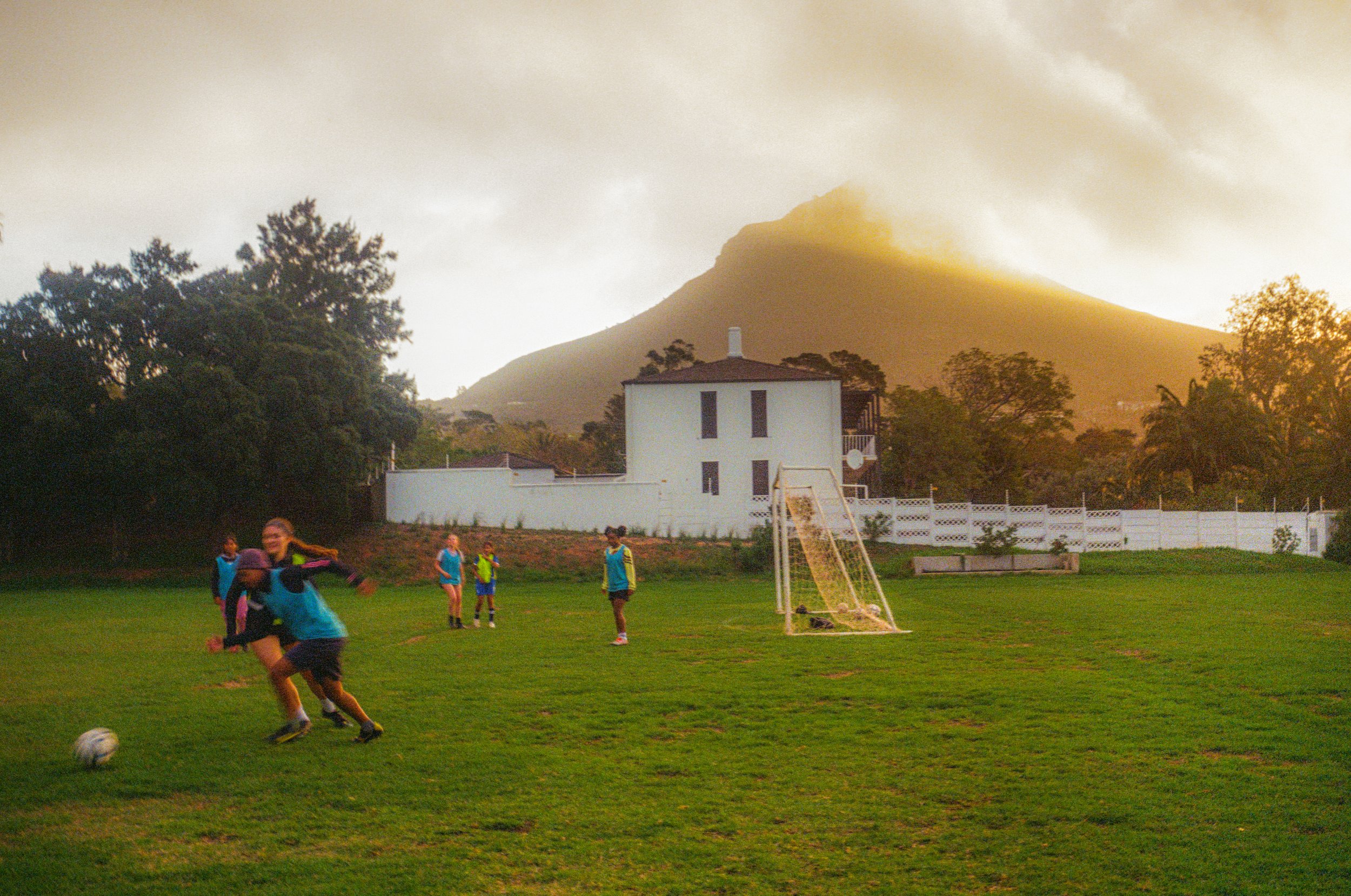
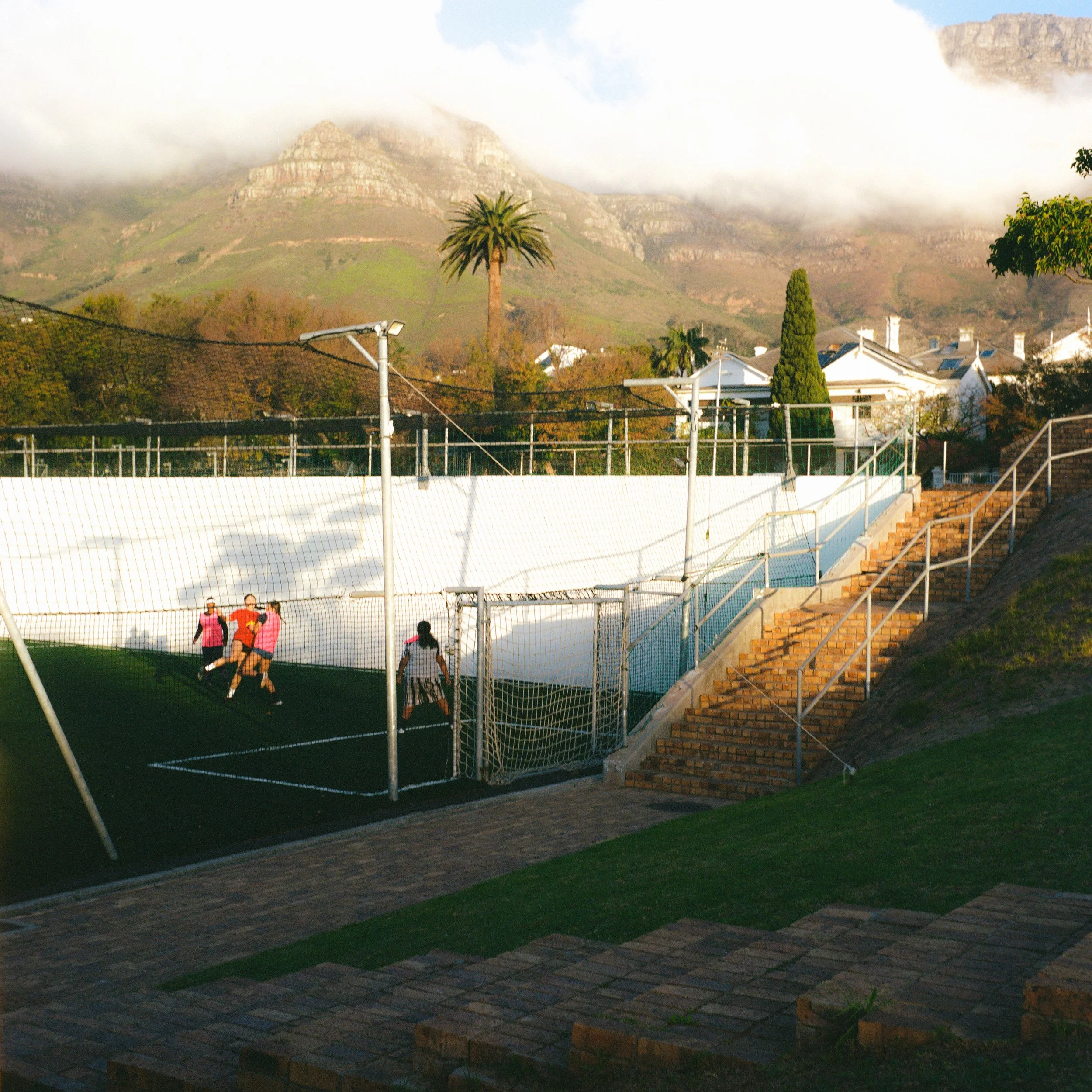
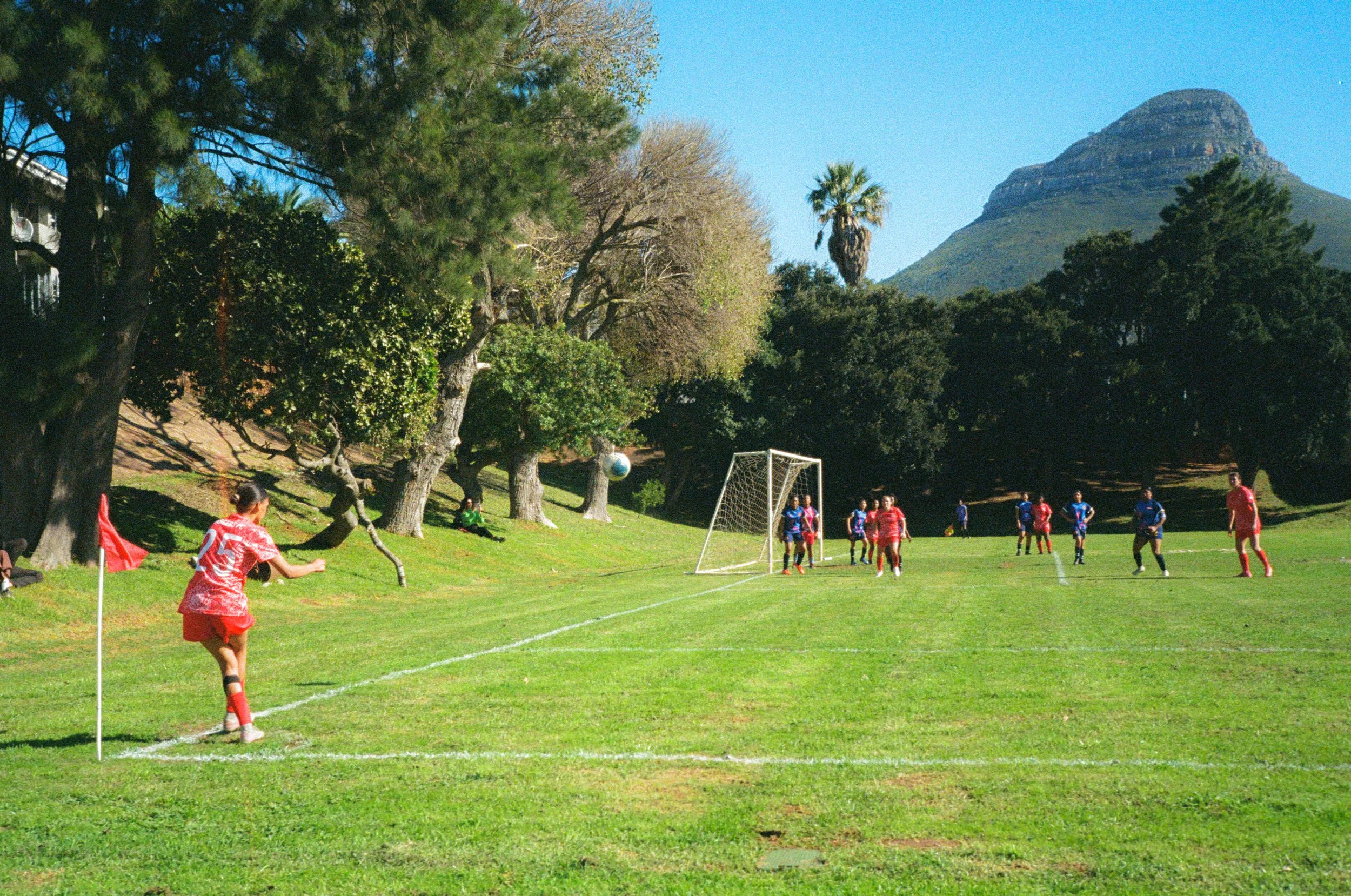
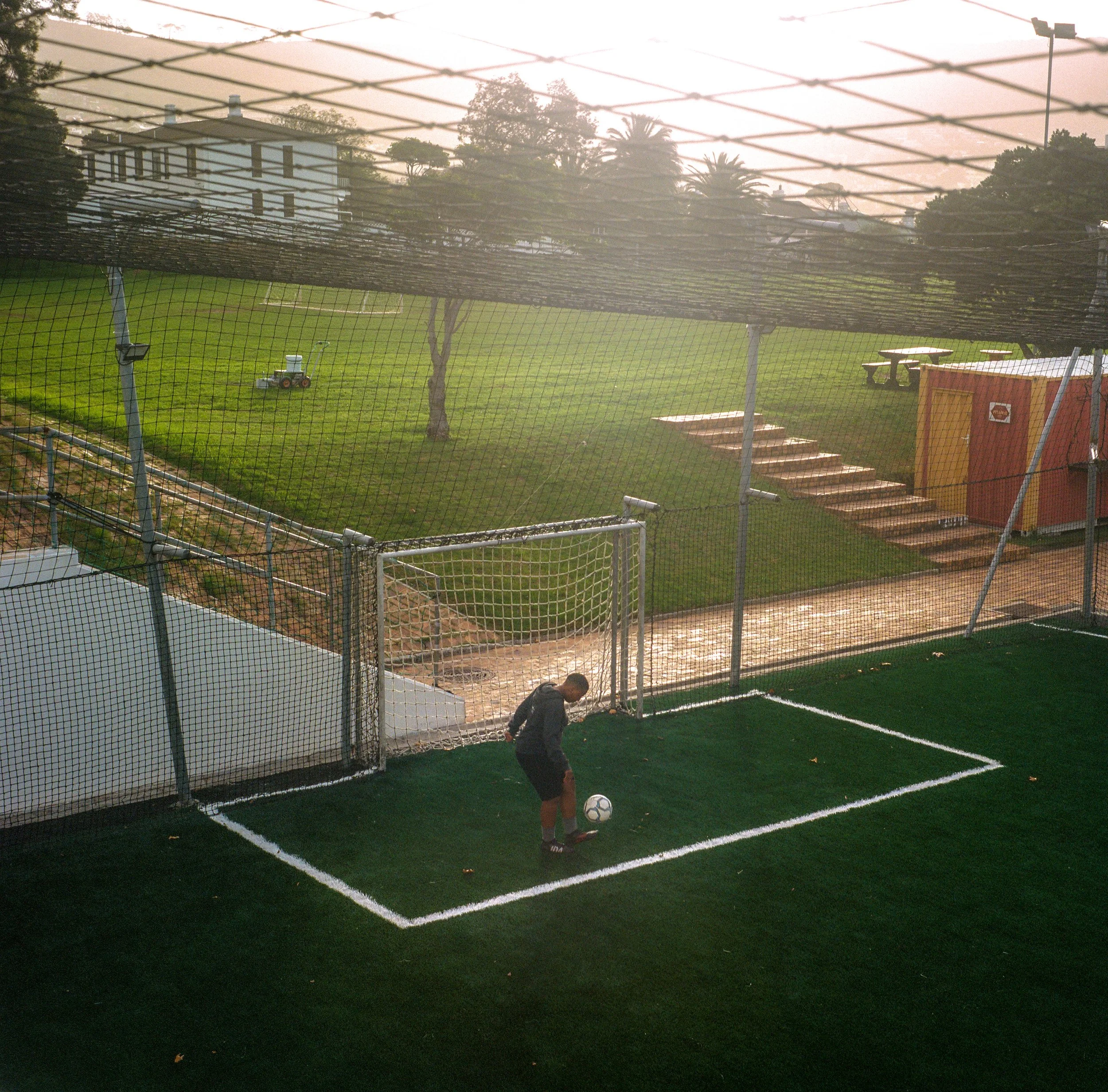
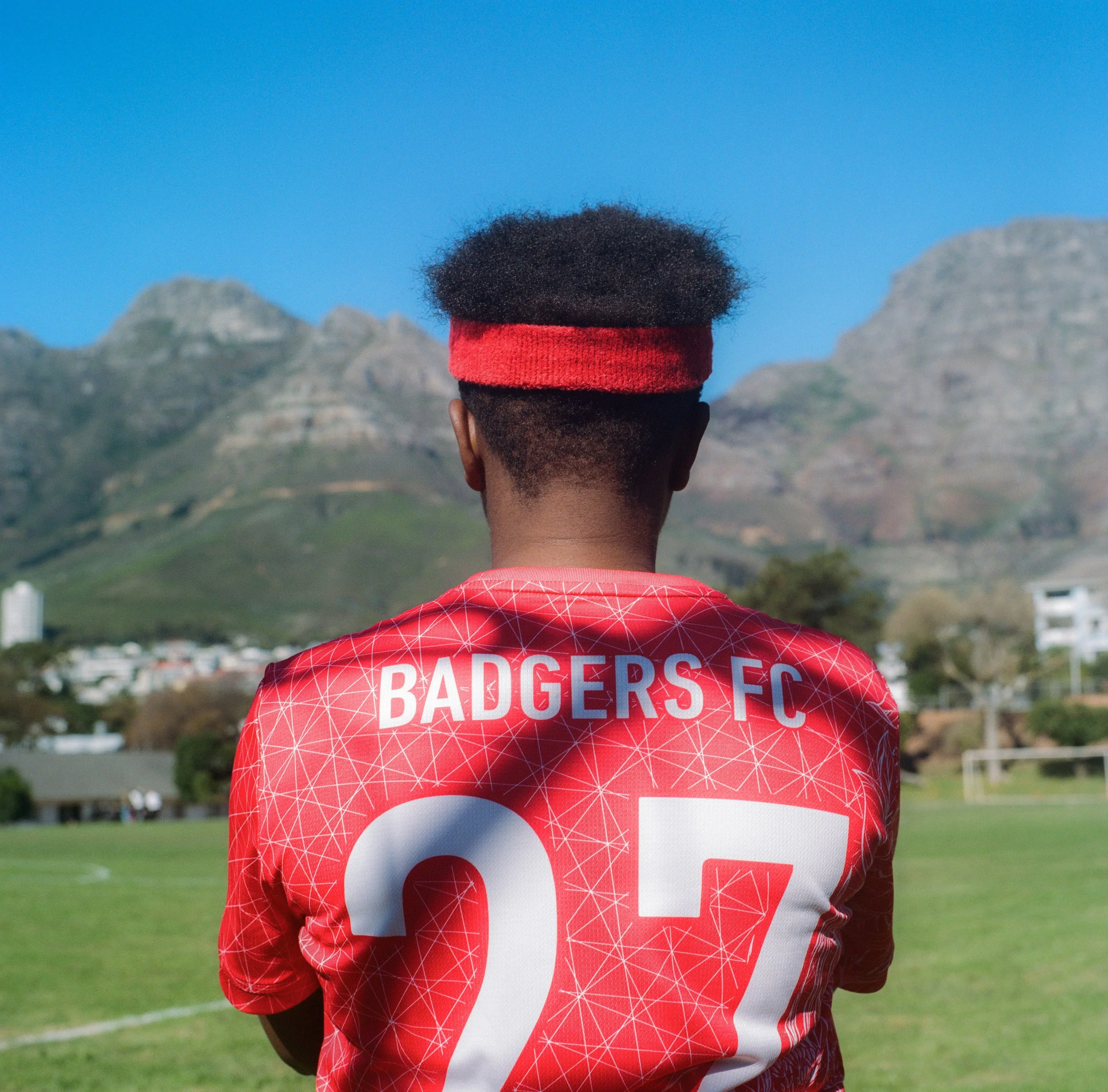
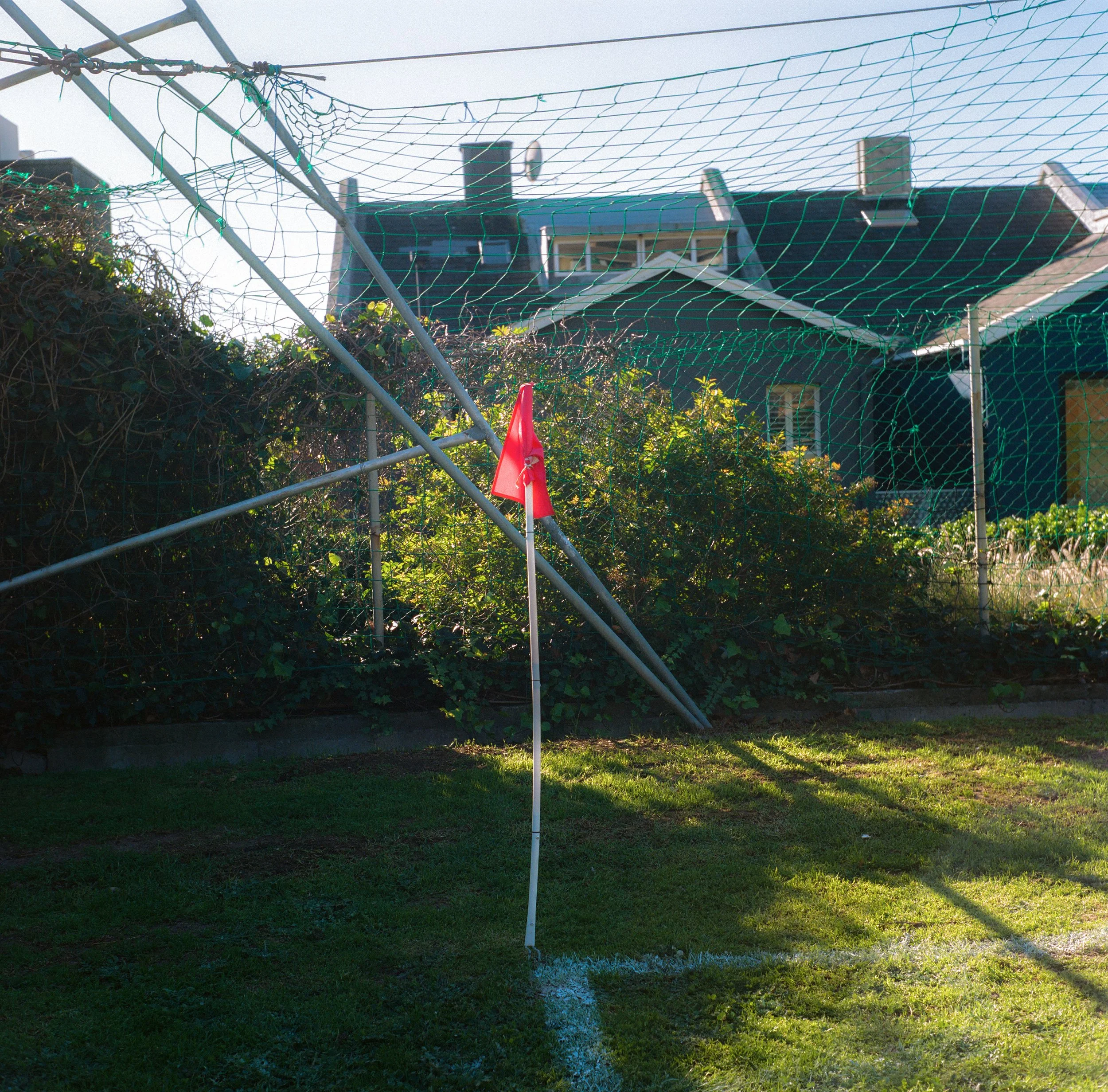
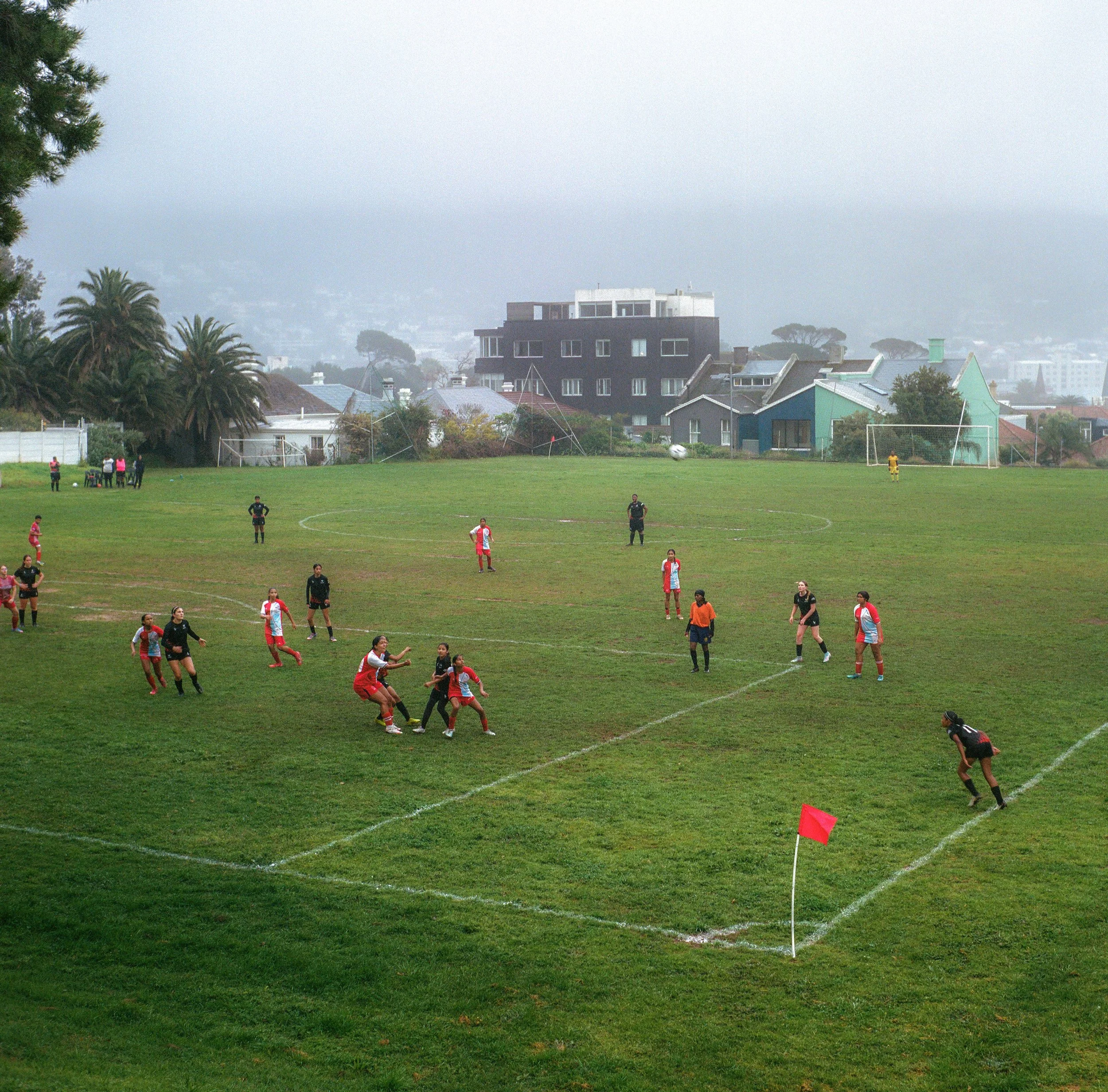
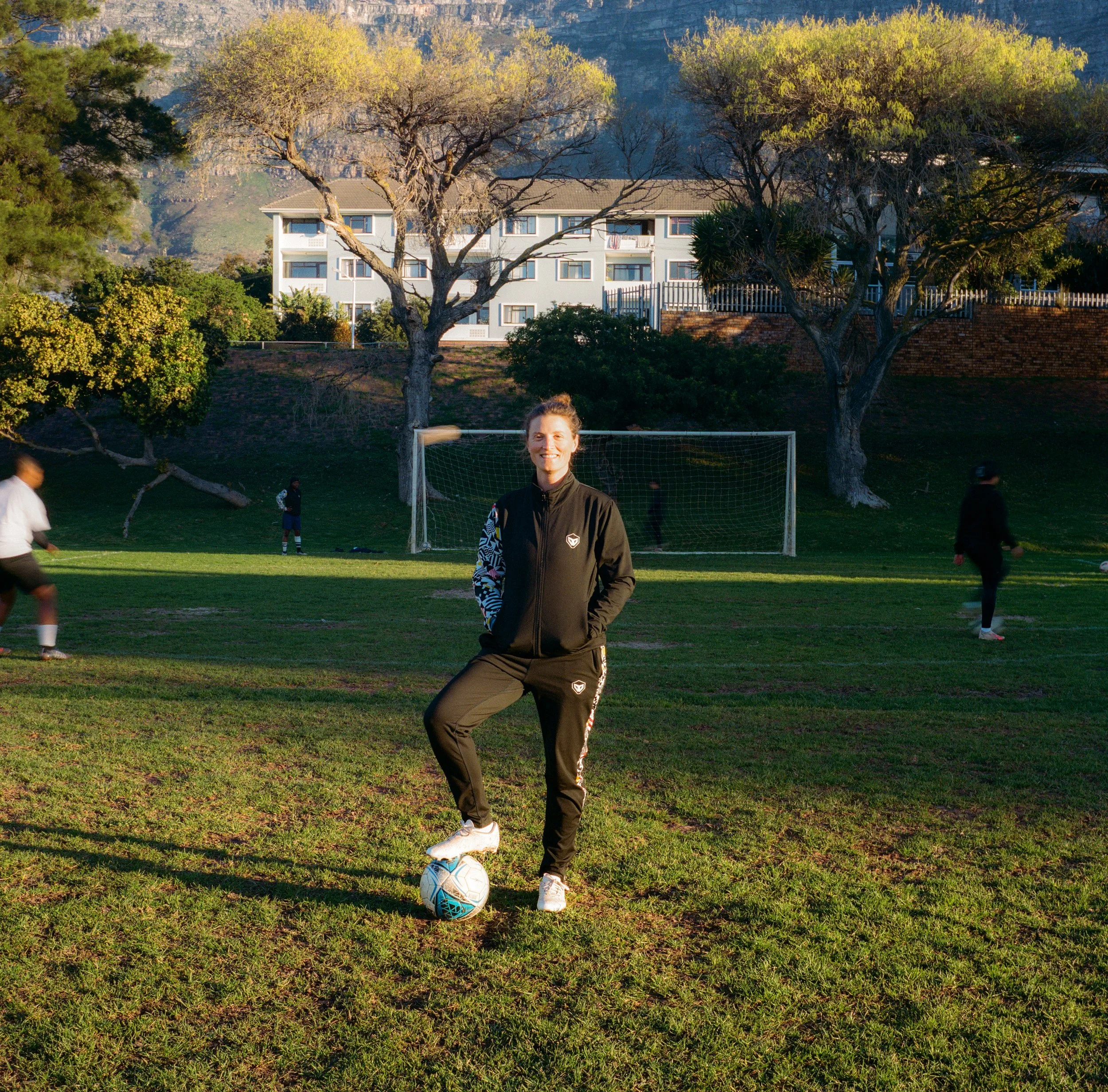
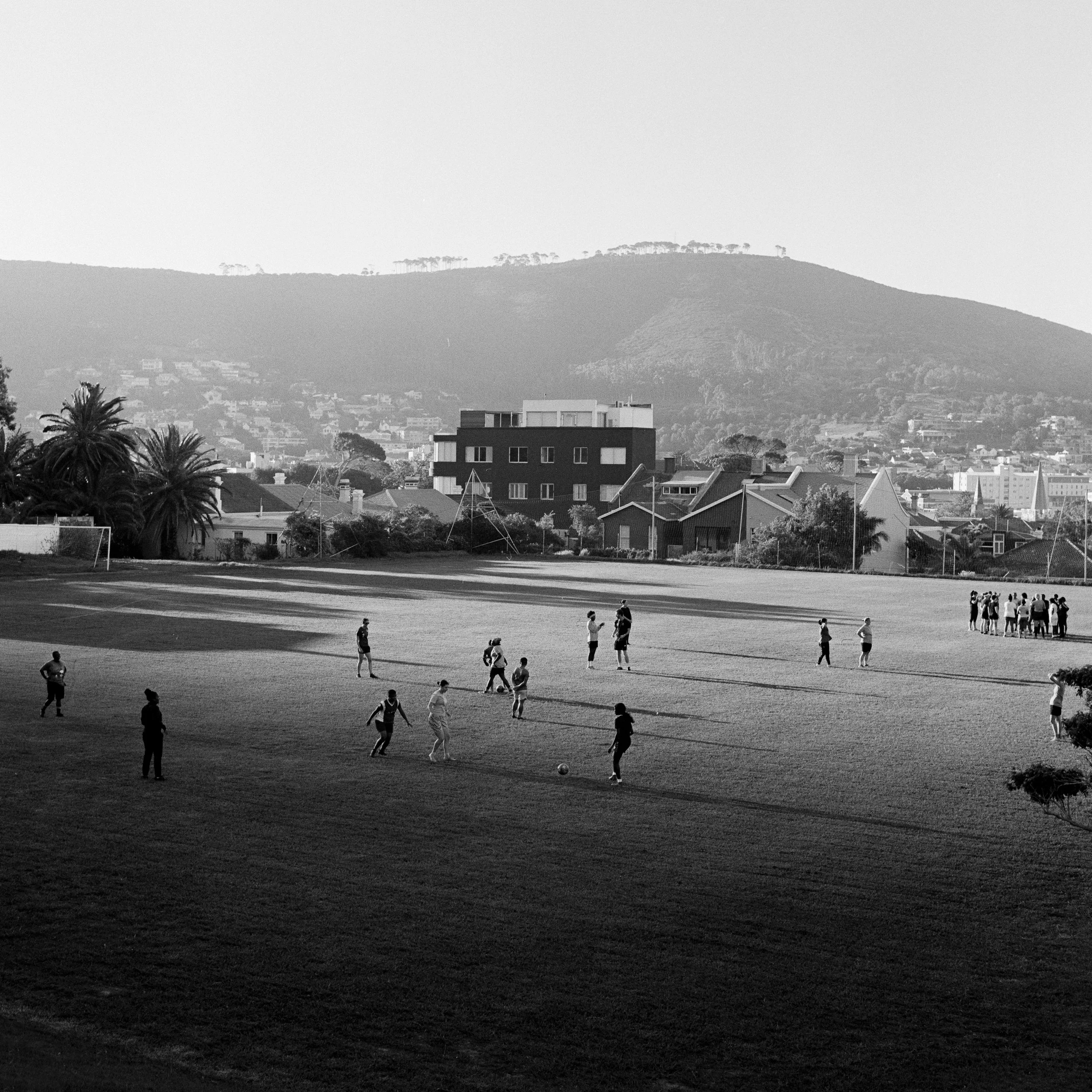
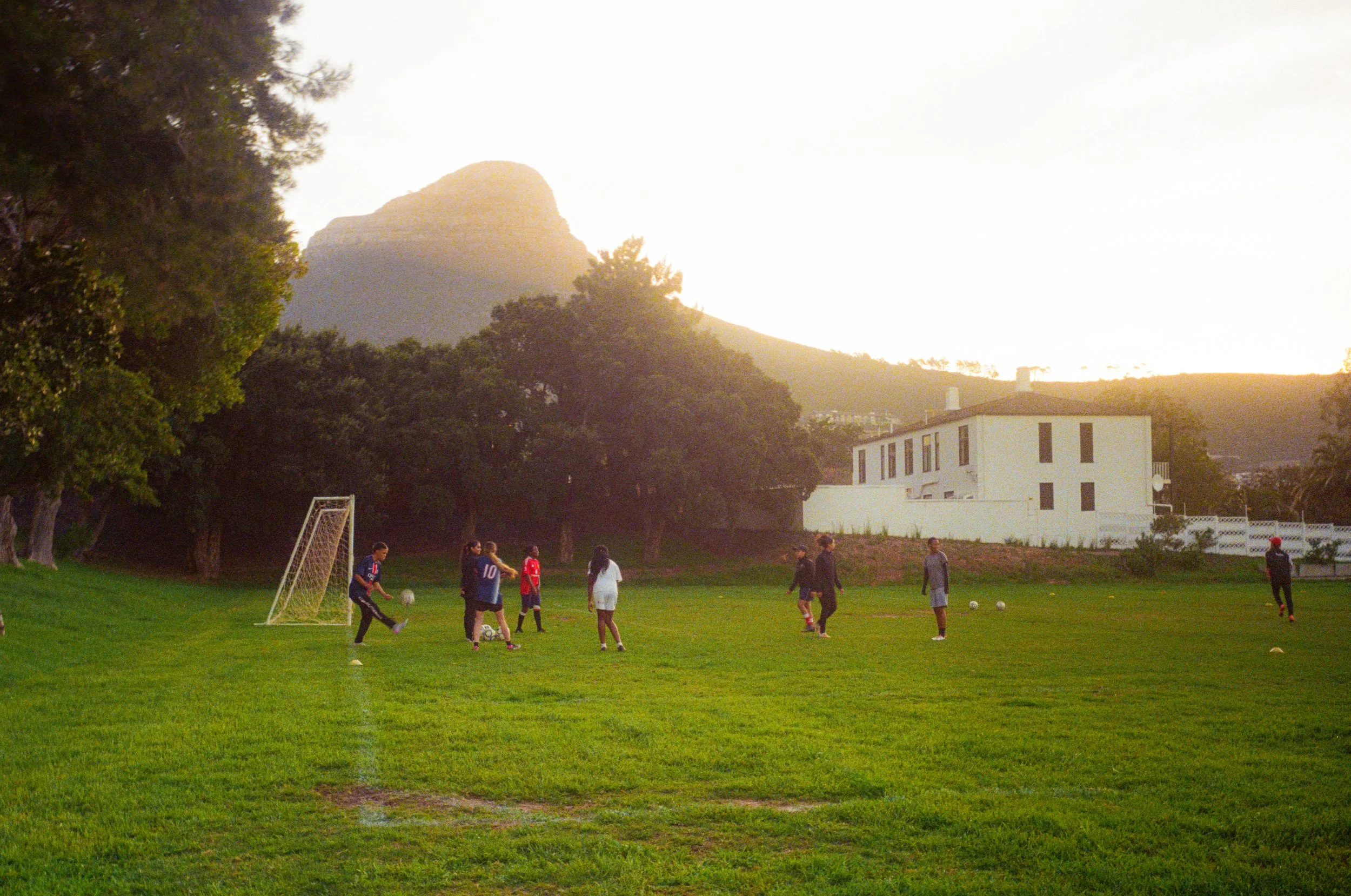
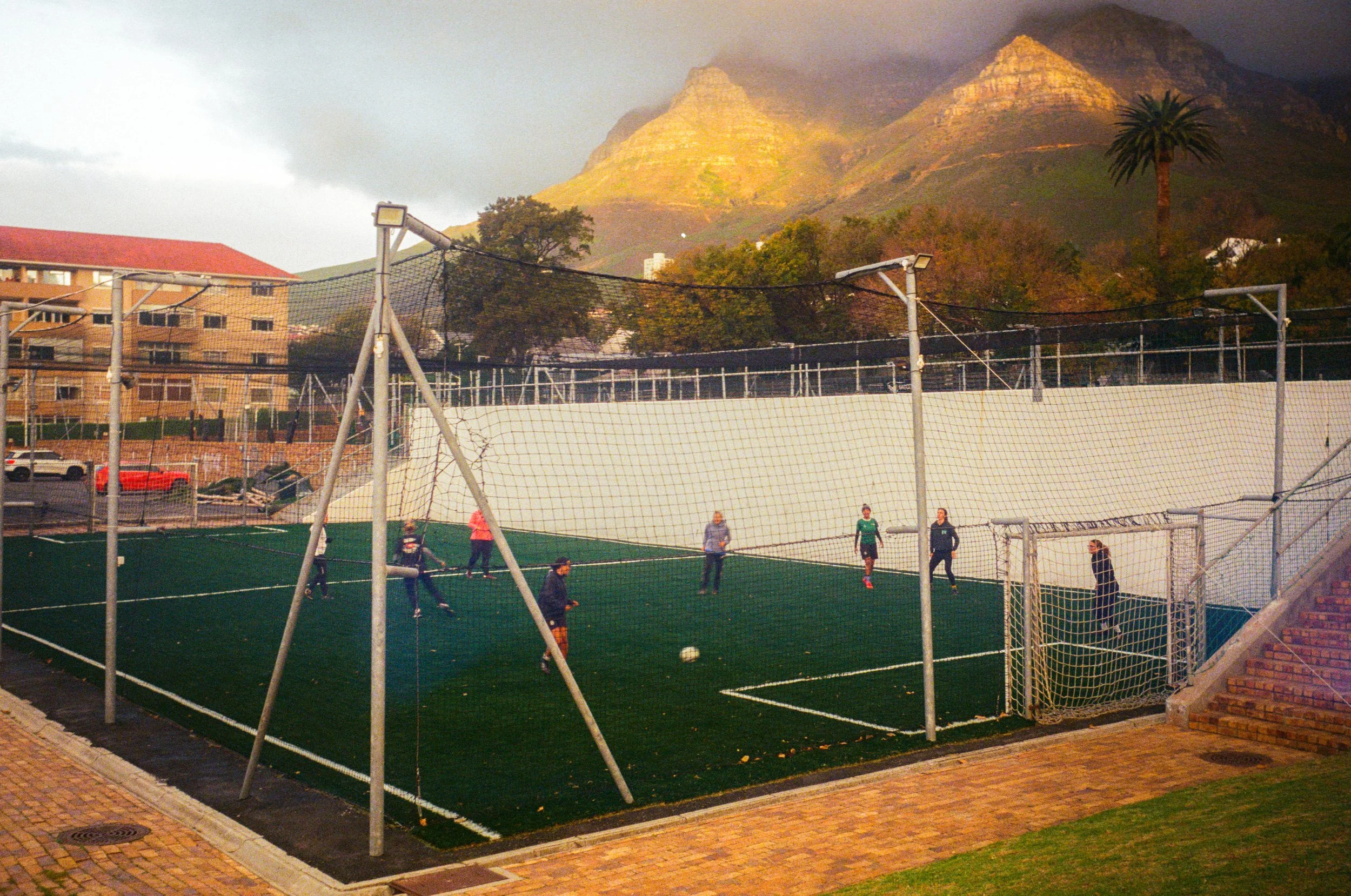
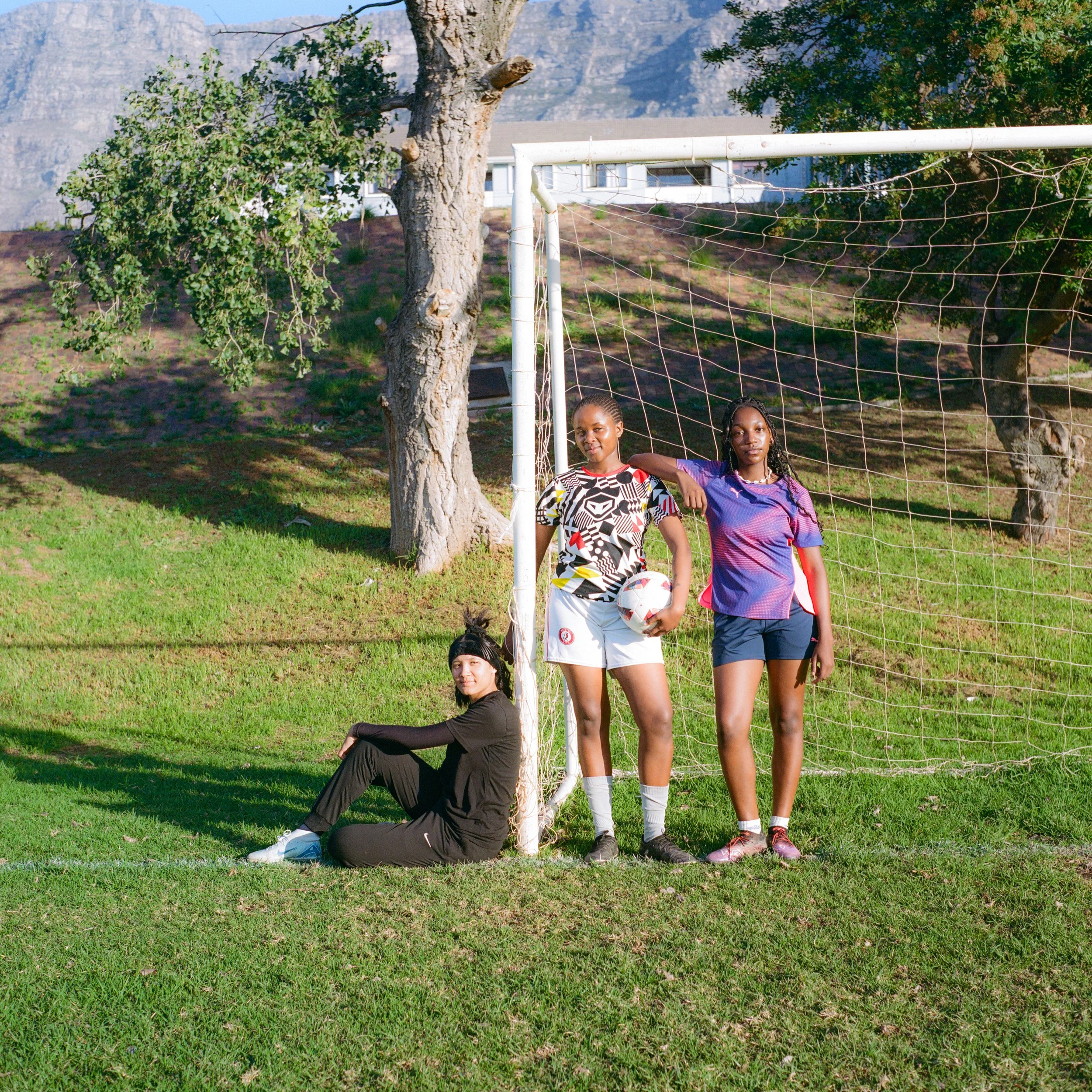
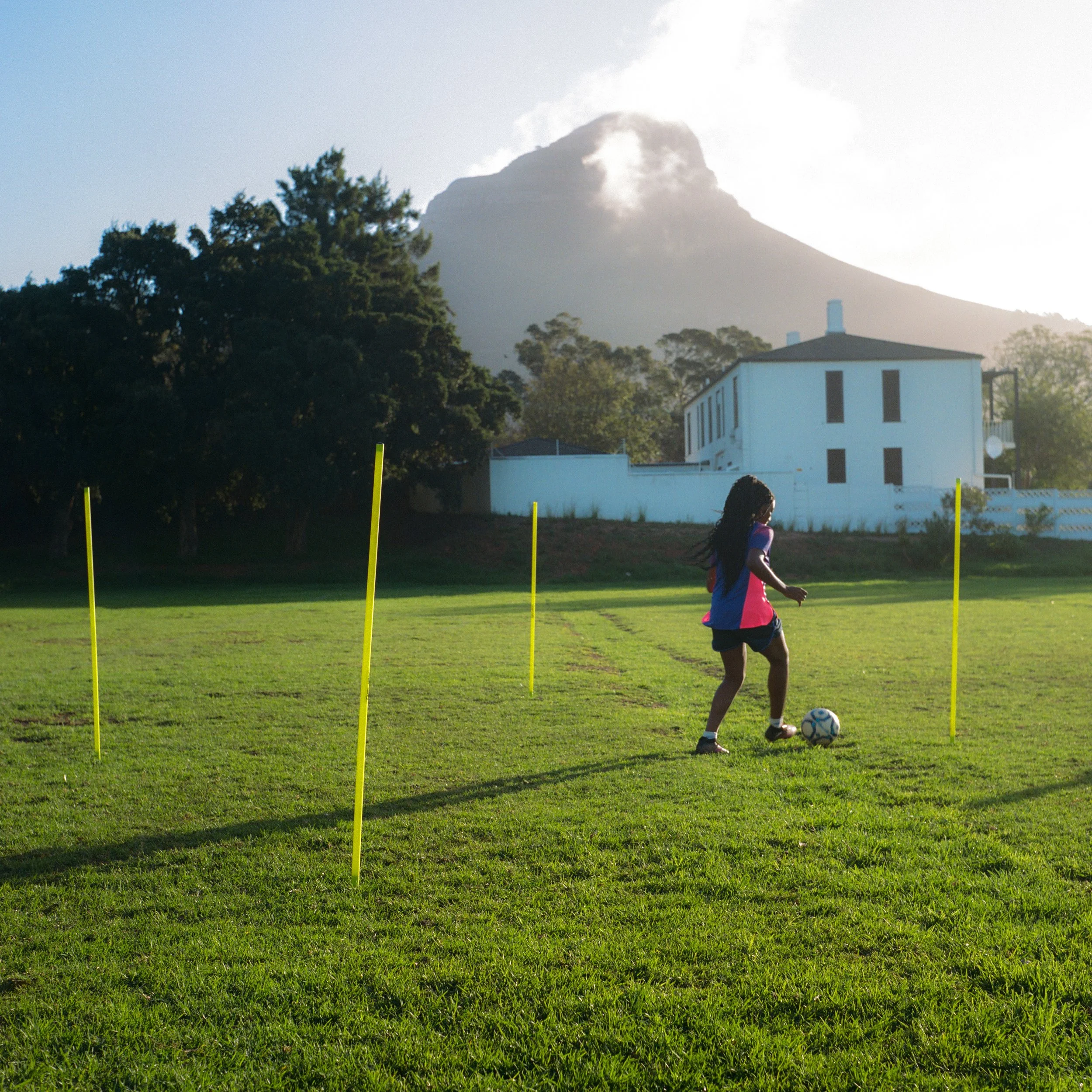
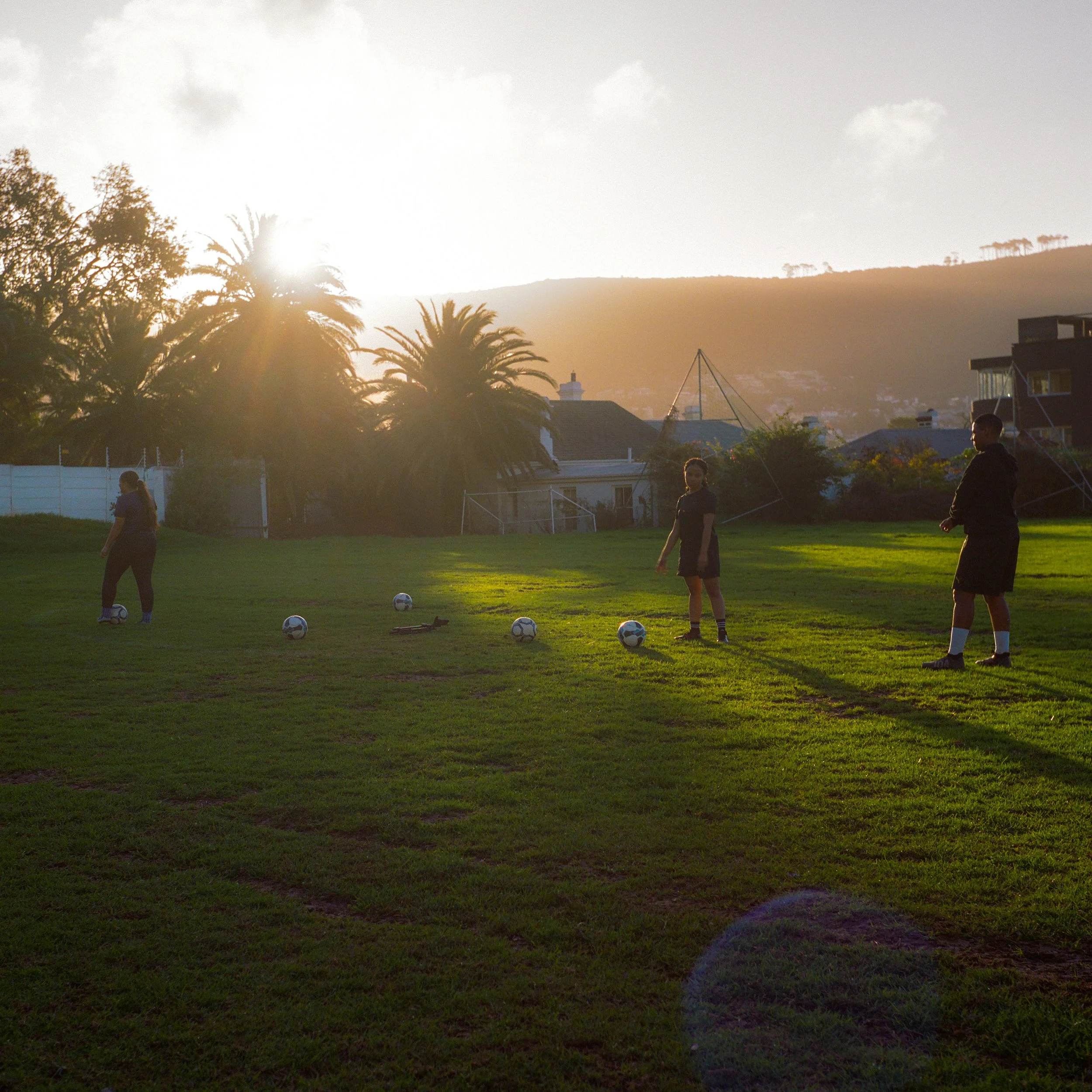
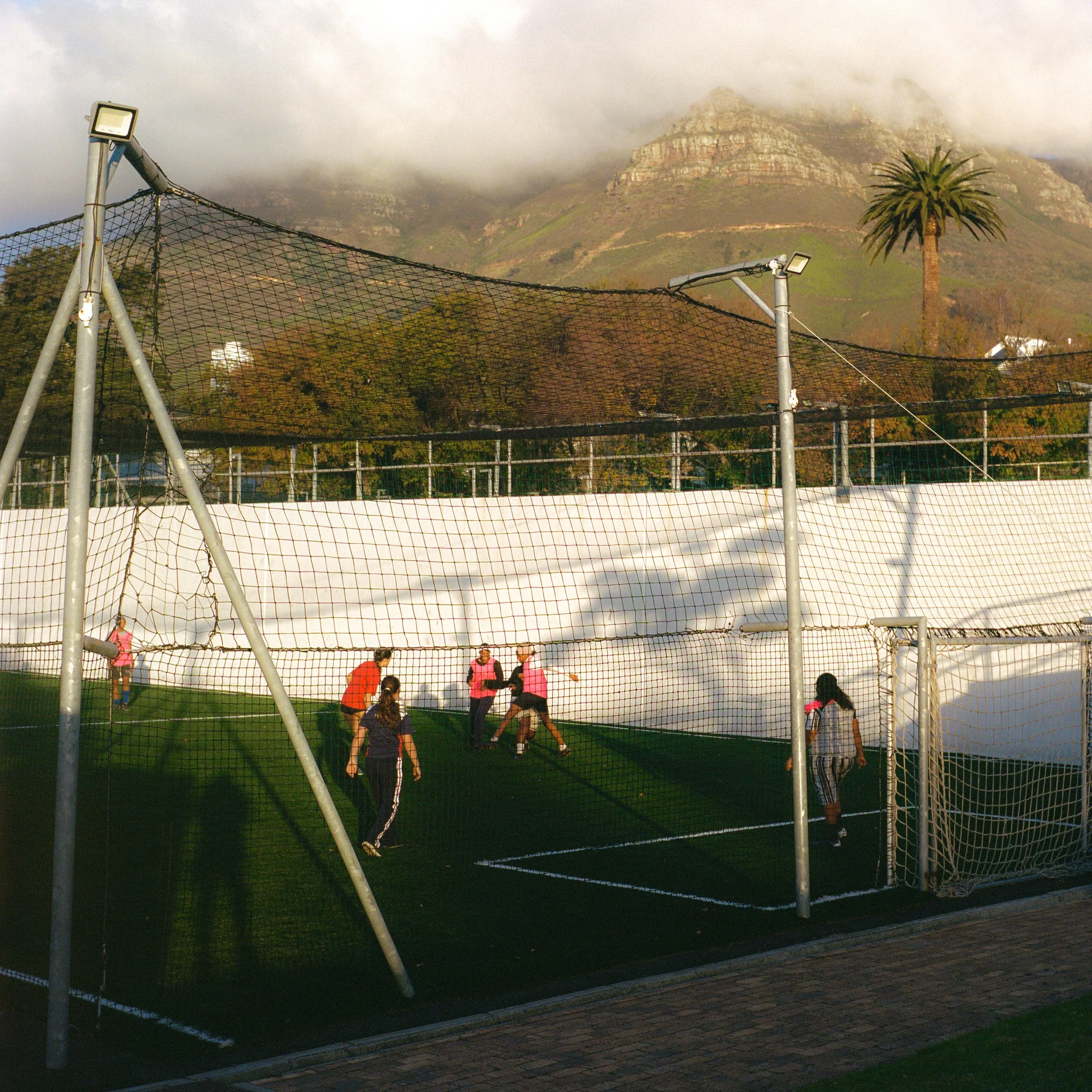
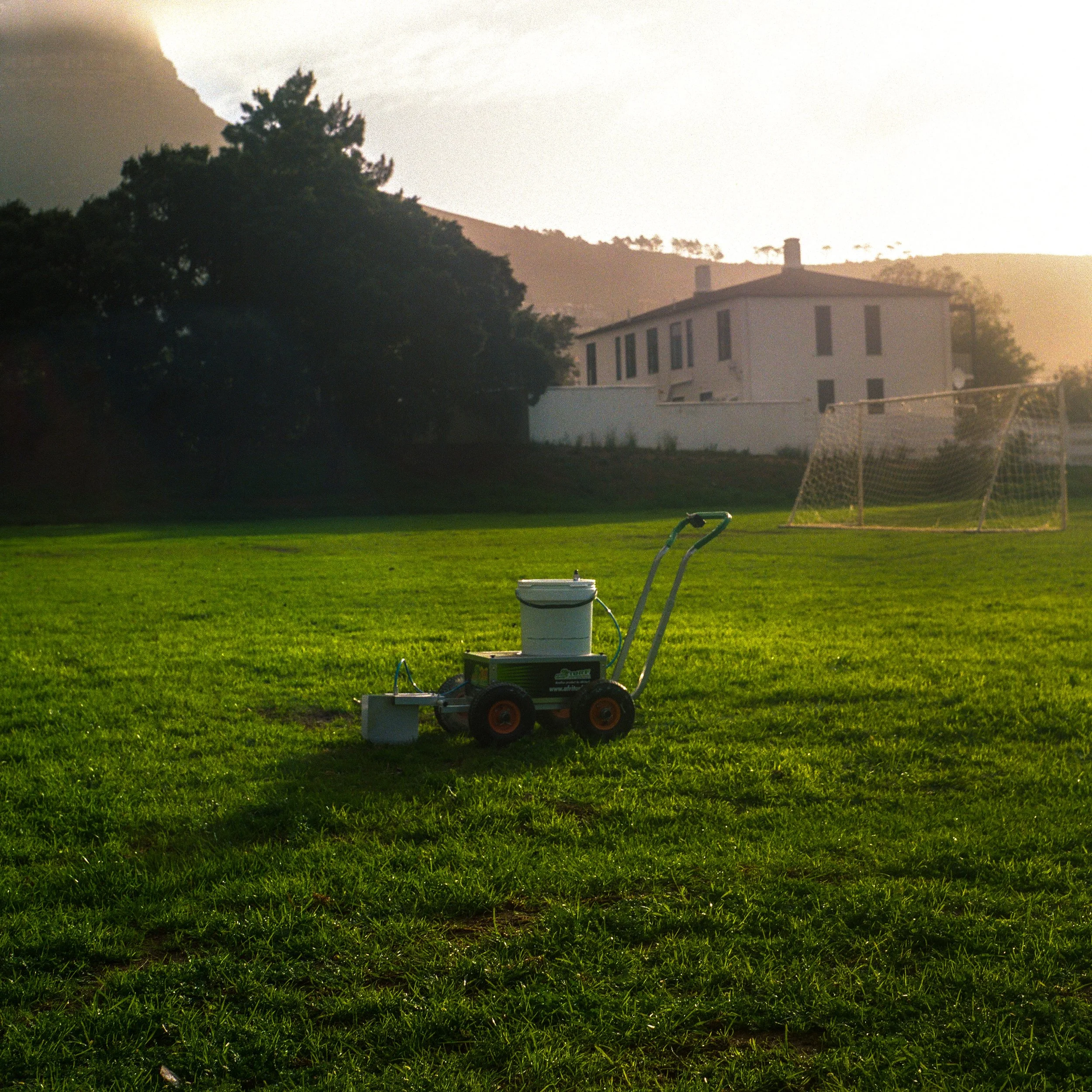
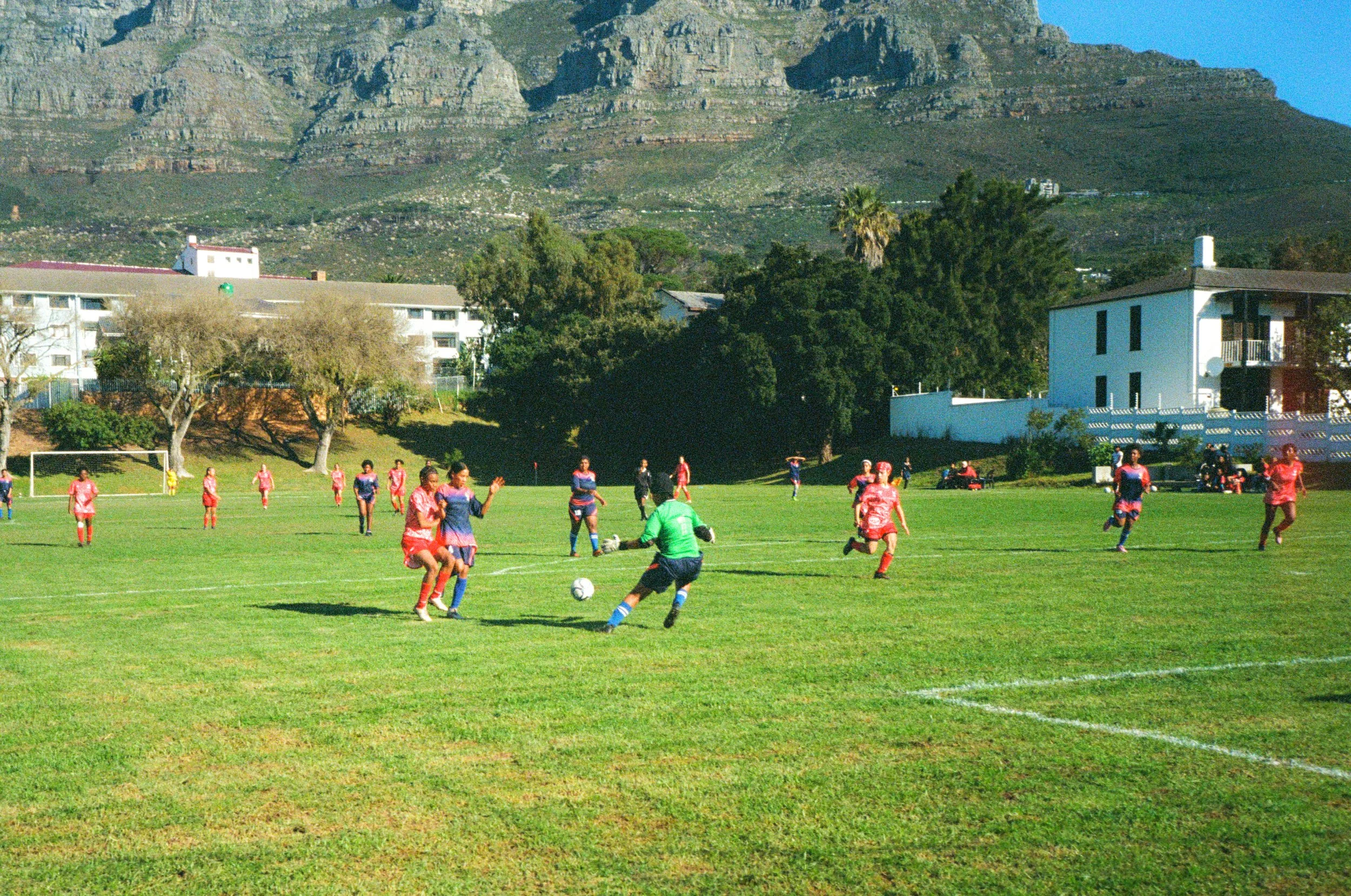
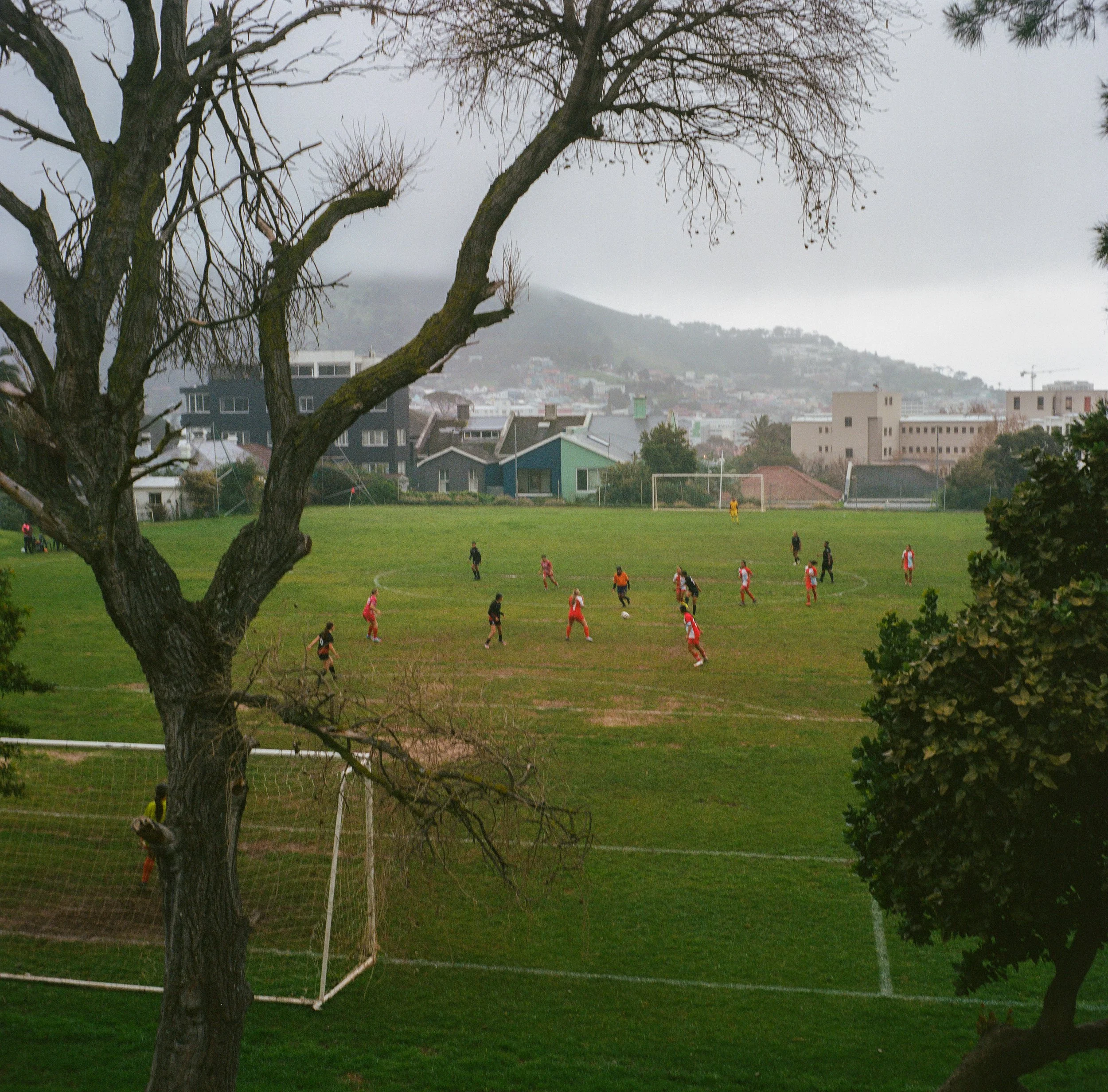
When I first stepped foot on the Badgers Football Club’s field, I knew it was special. In the heart of the City Bowl just outside the city centre,Table Mountain looms behind one goal post and the city behind the other. The mountains and cityscapes tower over the field like stands of a stadium.
Cape Town is one of South Africa’s biggest cities and is frequently acclaimed as one of the best cities in the world. But beneath the mountain’s cloudy ‘tablecloth’ is a harsh reality: the most economically and socially unequal society in the world. South Africa remains geographically divided. Close to the mountains you have rich (predominantly white) neighbourhoods, mansions, serene beaches and nature. Less than a 15 minute drive away, you have the flat, dangerous and densely populated Cape Flats region and other poorer areas.
The stark contrast of life in Cape Town makes integration difficult. One of the biggest challenges South Africa has faced post-Apartheid is social integration. But without geographical integration and economic equality, South Africans find themselves isolated from each other.
Many South Africans would agree that the most integrated we have ever been is when we hosted the 2010 Fifa World Cup. And our country thrives when our beloved rugby team, The Springboks, succeed. Sport in South Africa has always been used as a necessary distraction from our often harsh lived experiences. It is not just a sport, it is common ground; a tool of integration that bridges an invisible gap that is often difficult to cross. Grass-roots sports clubs often lack diversity due to the historic spatial injustices and their locations. It is very common to have a ‘white vs black’ sports game almost 30 years after South Africa’s first democratic election.
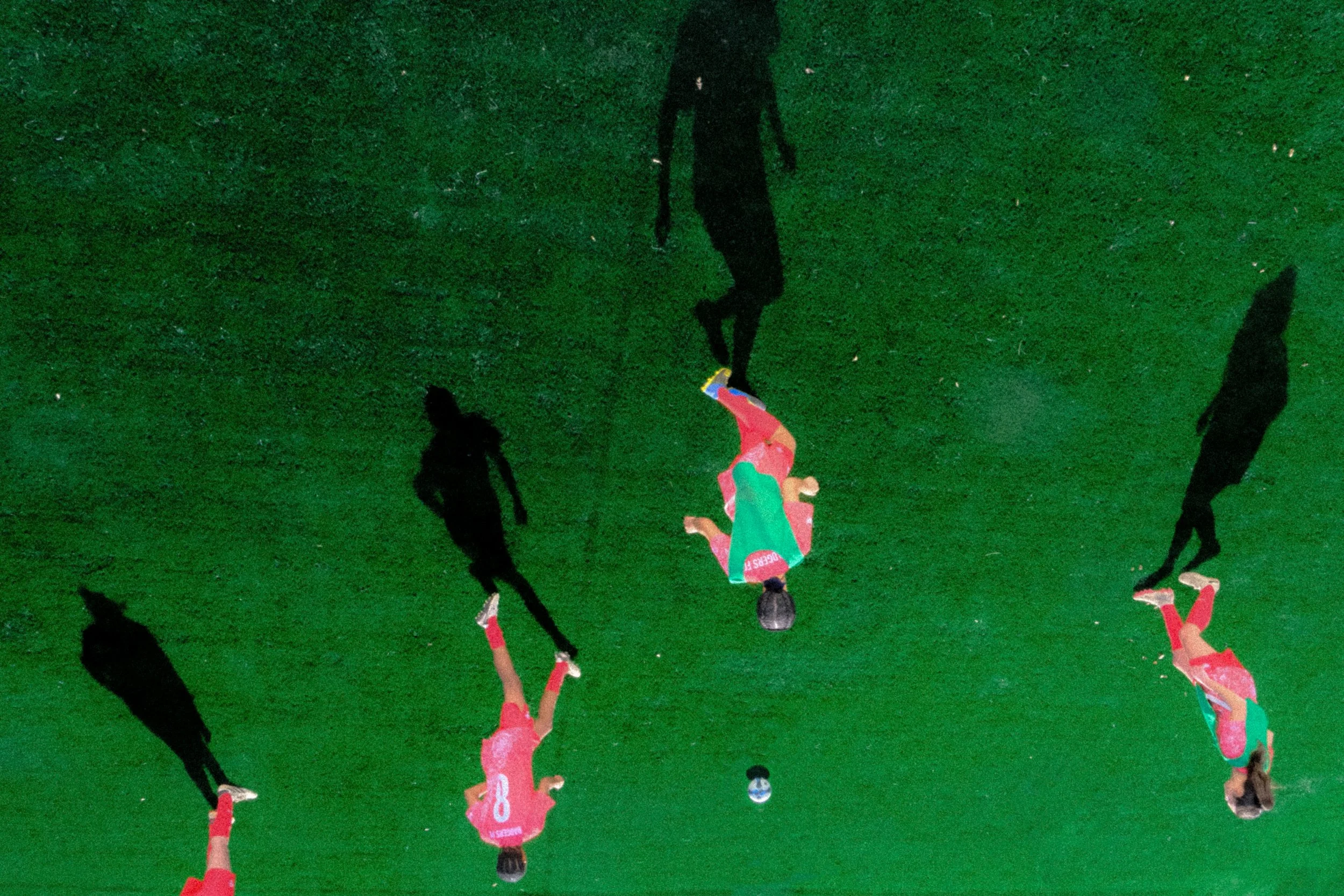
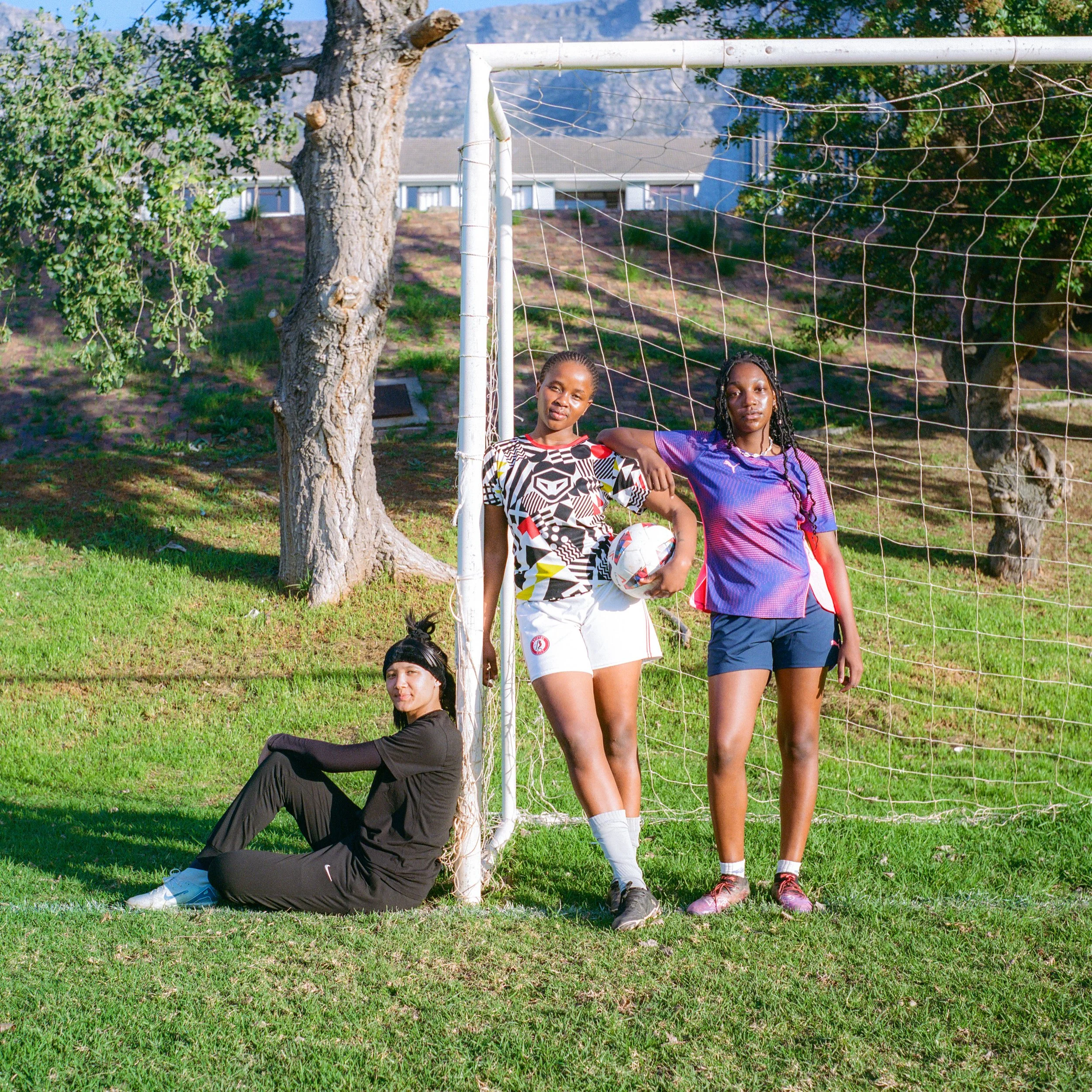
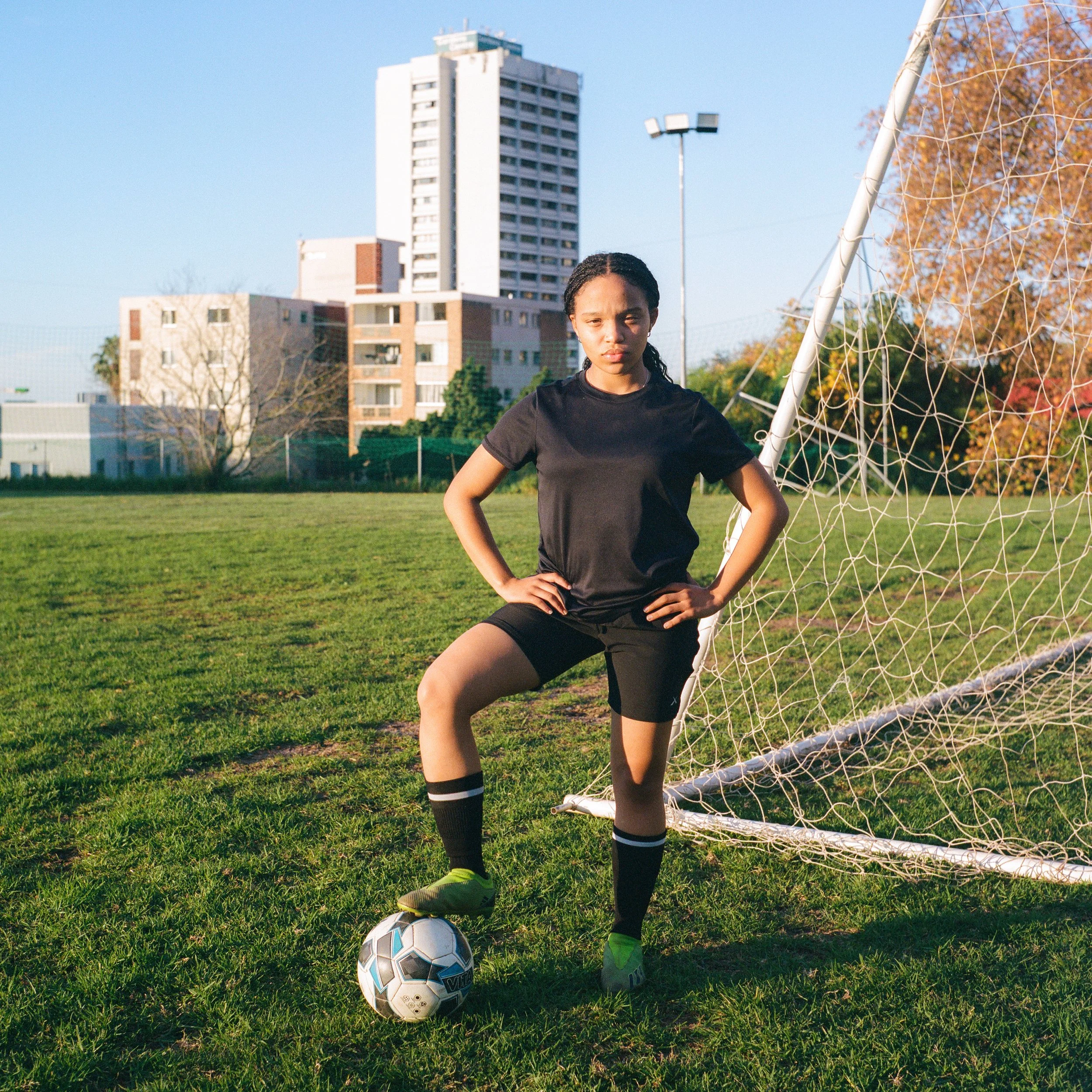
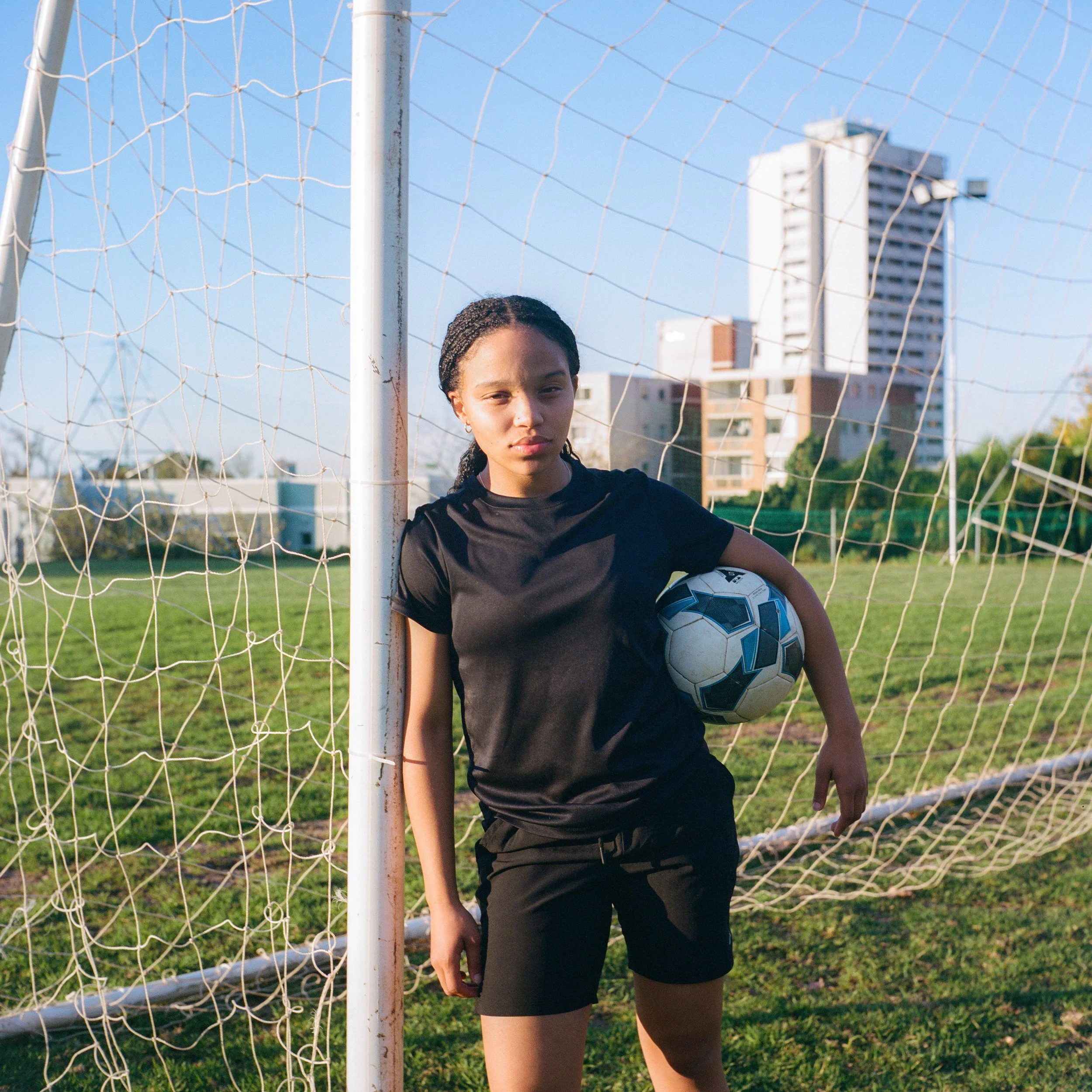
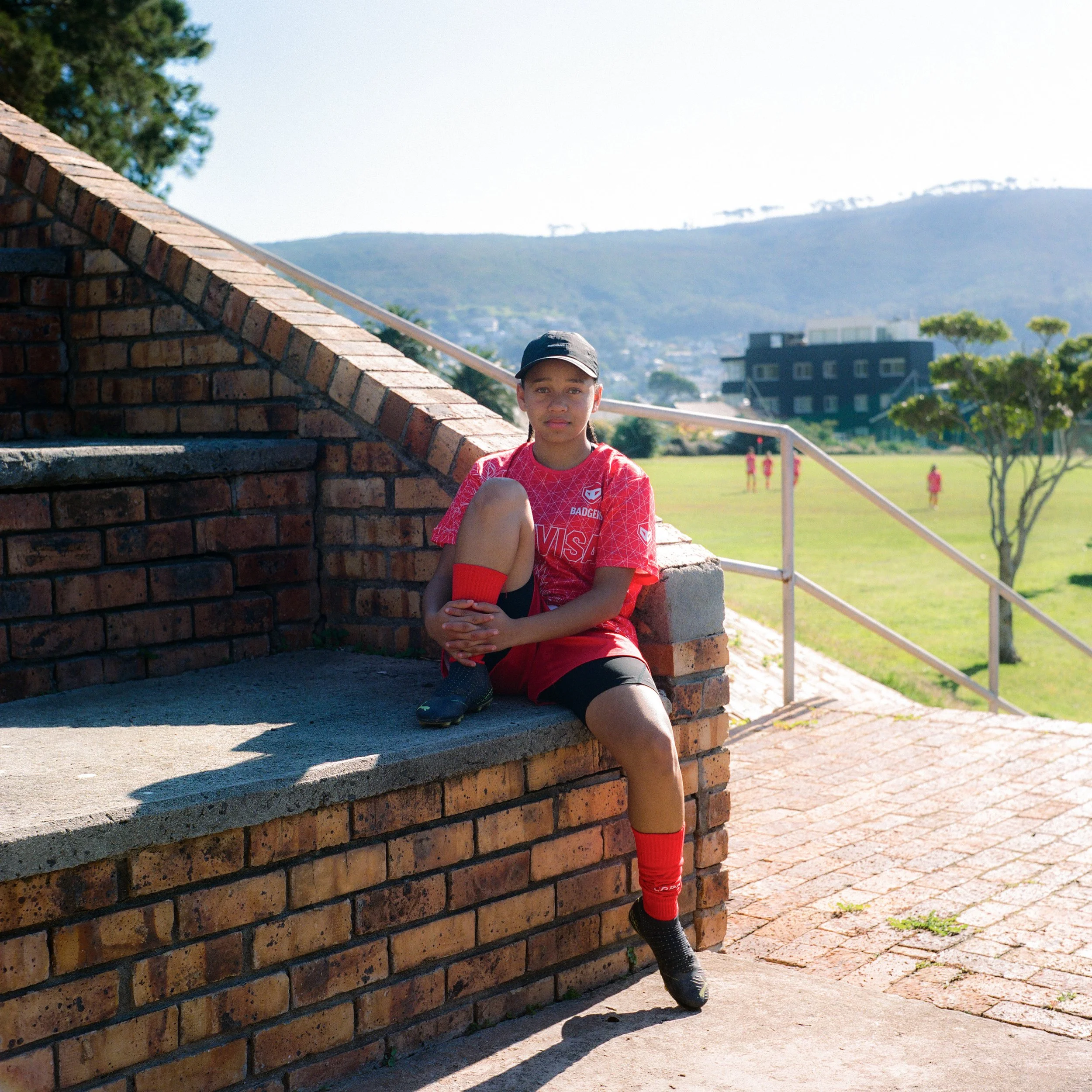
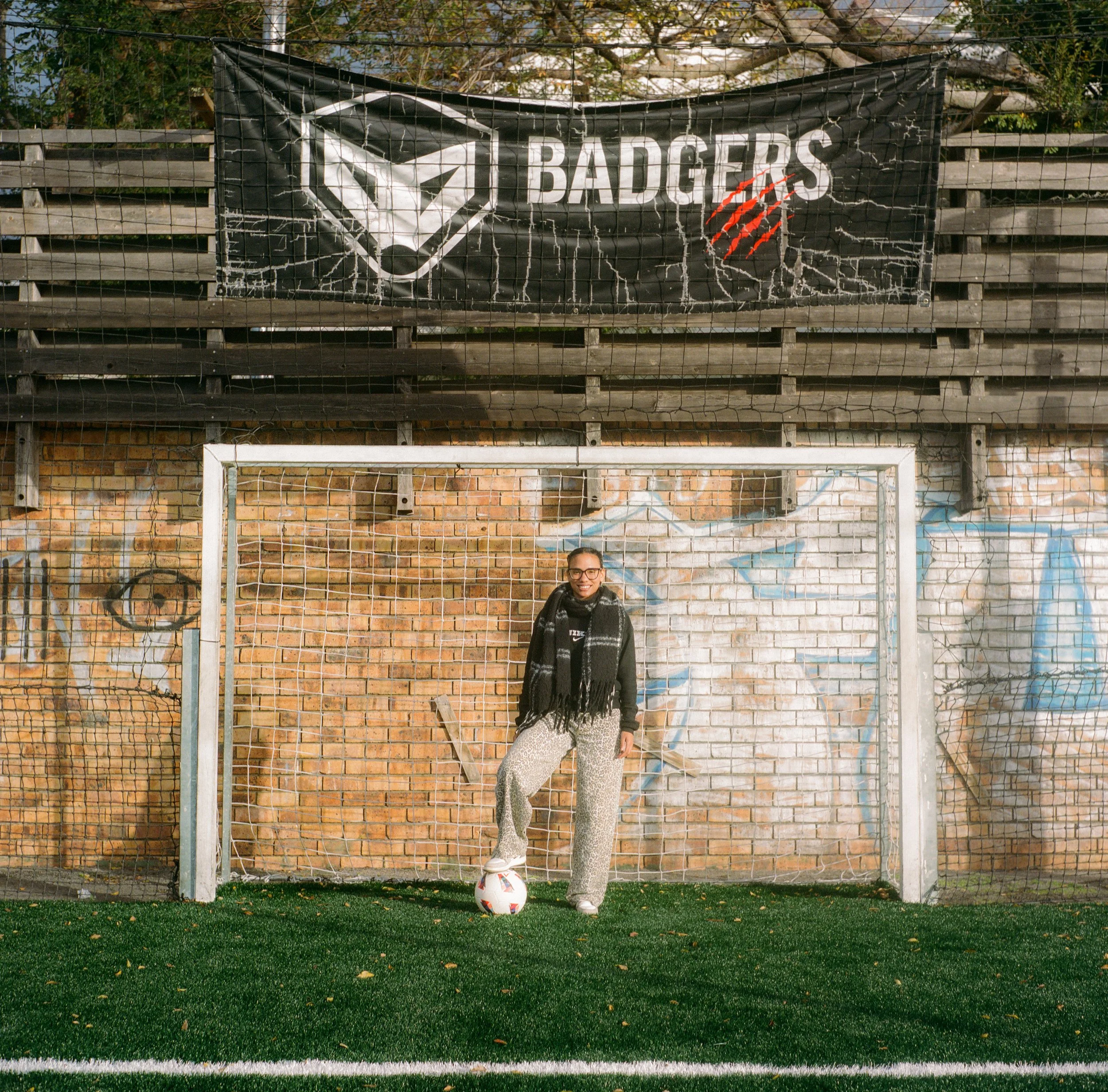
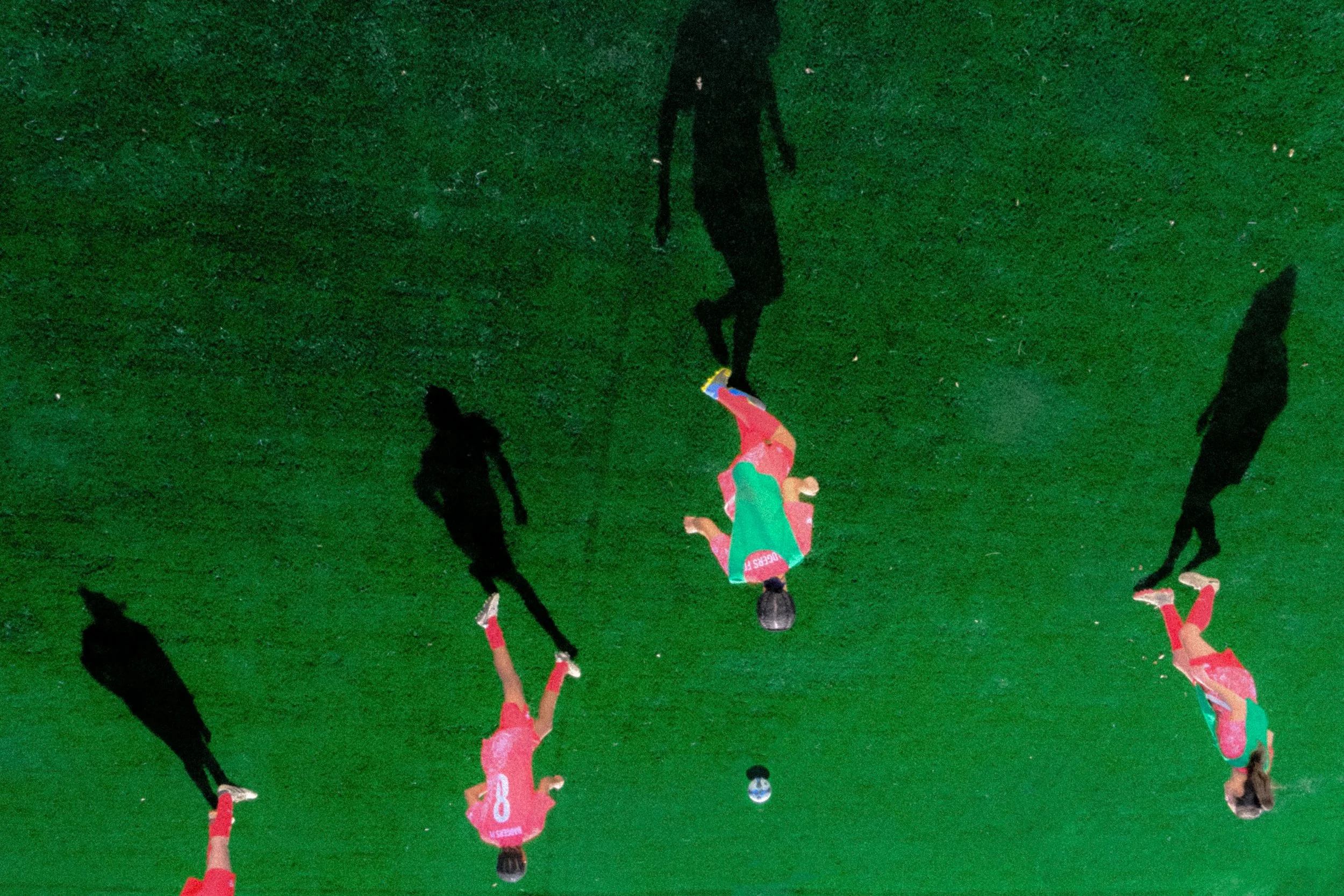
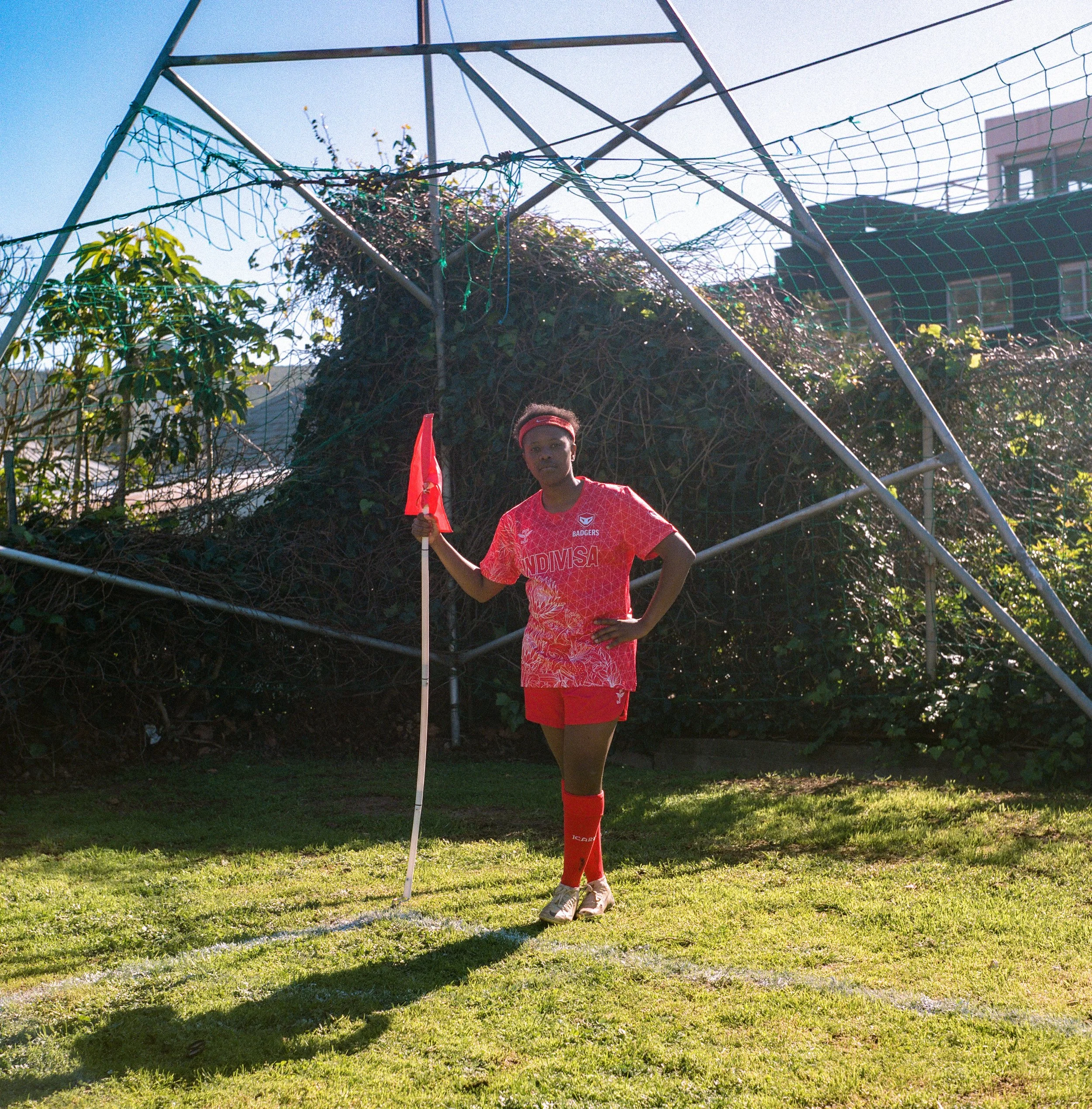
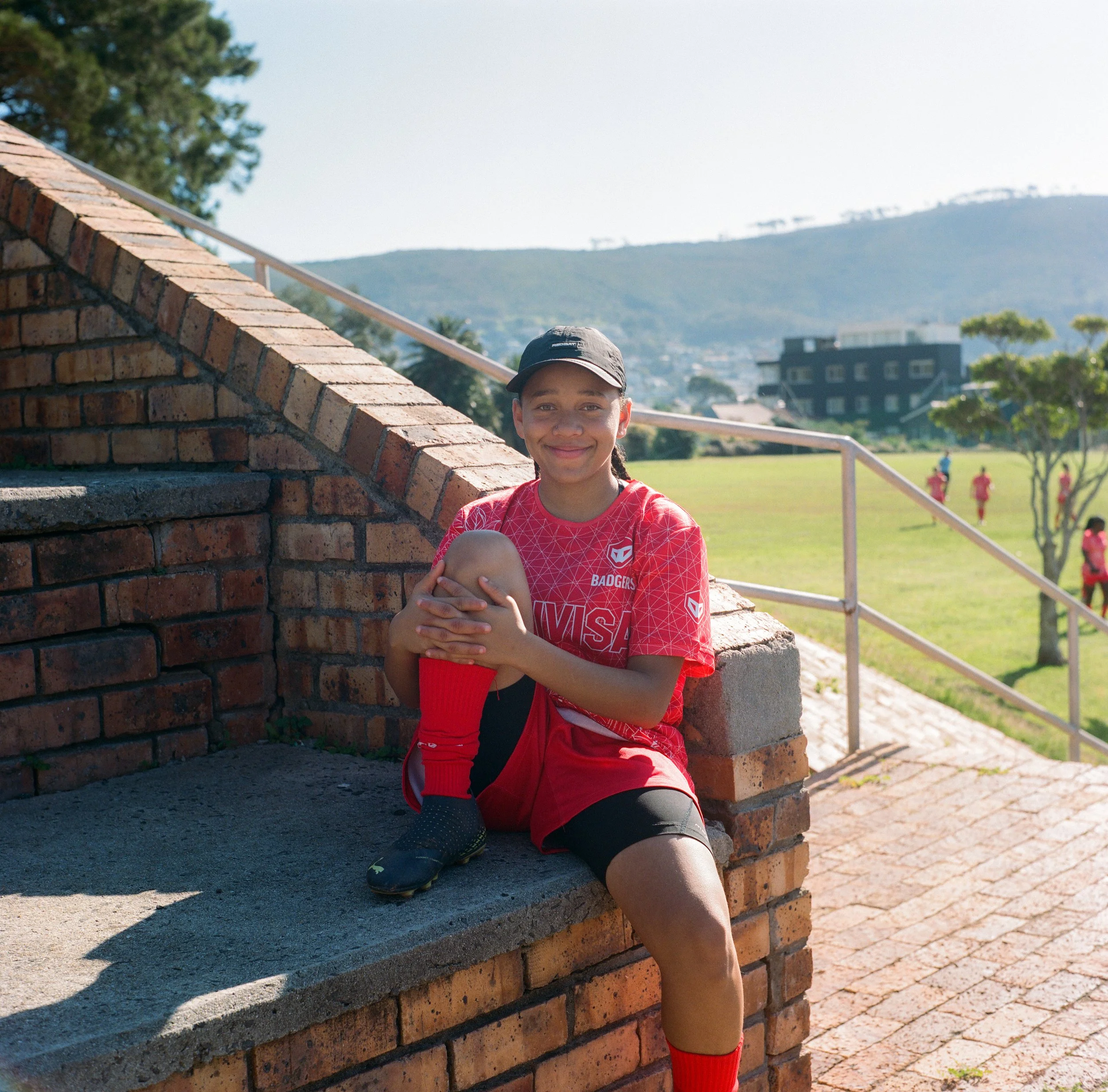
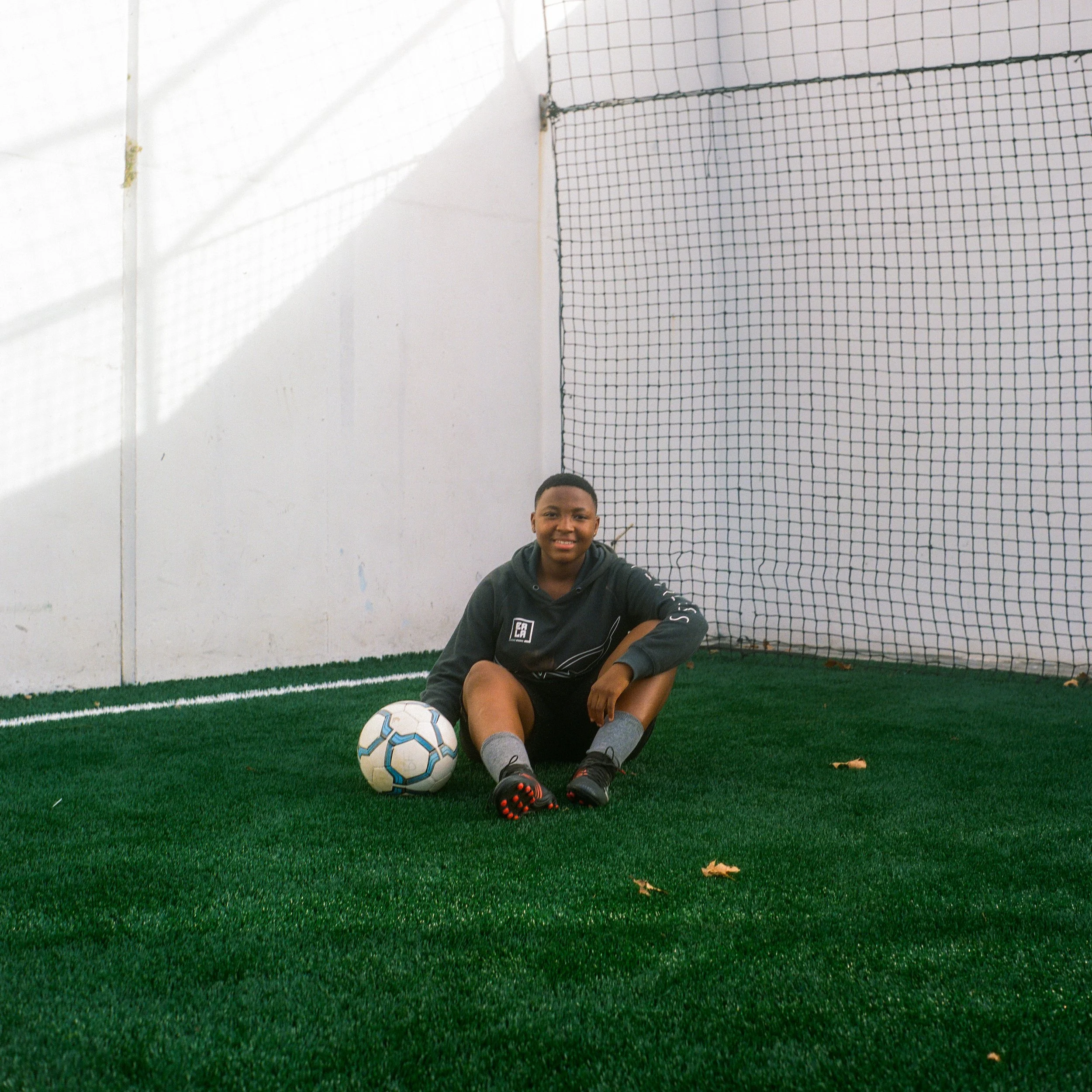
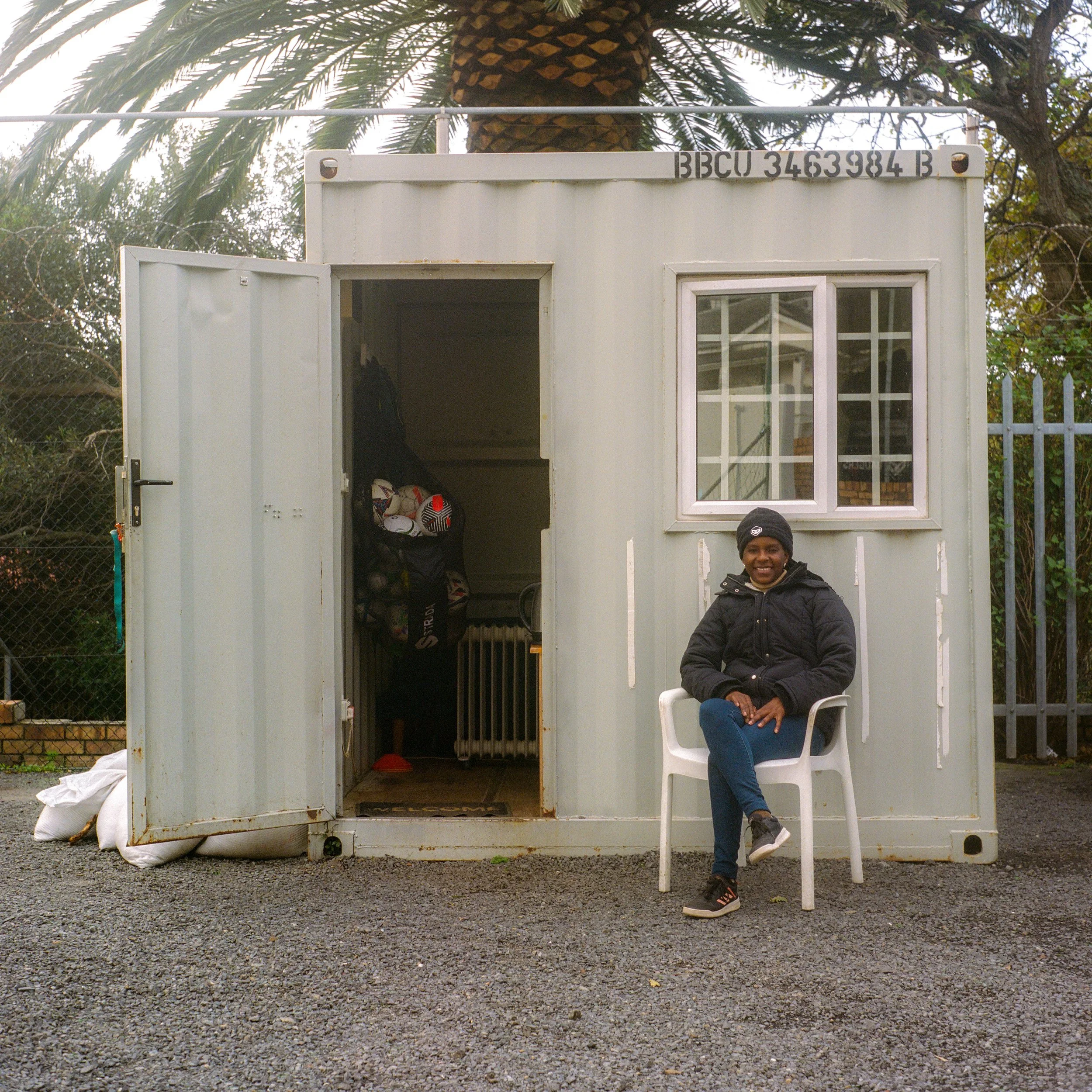
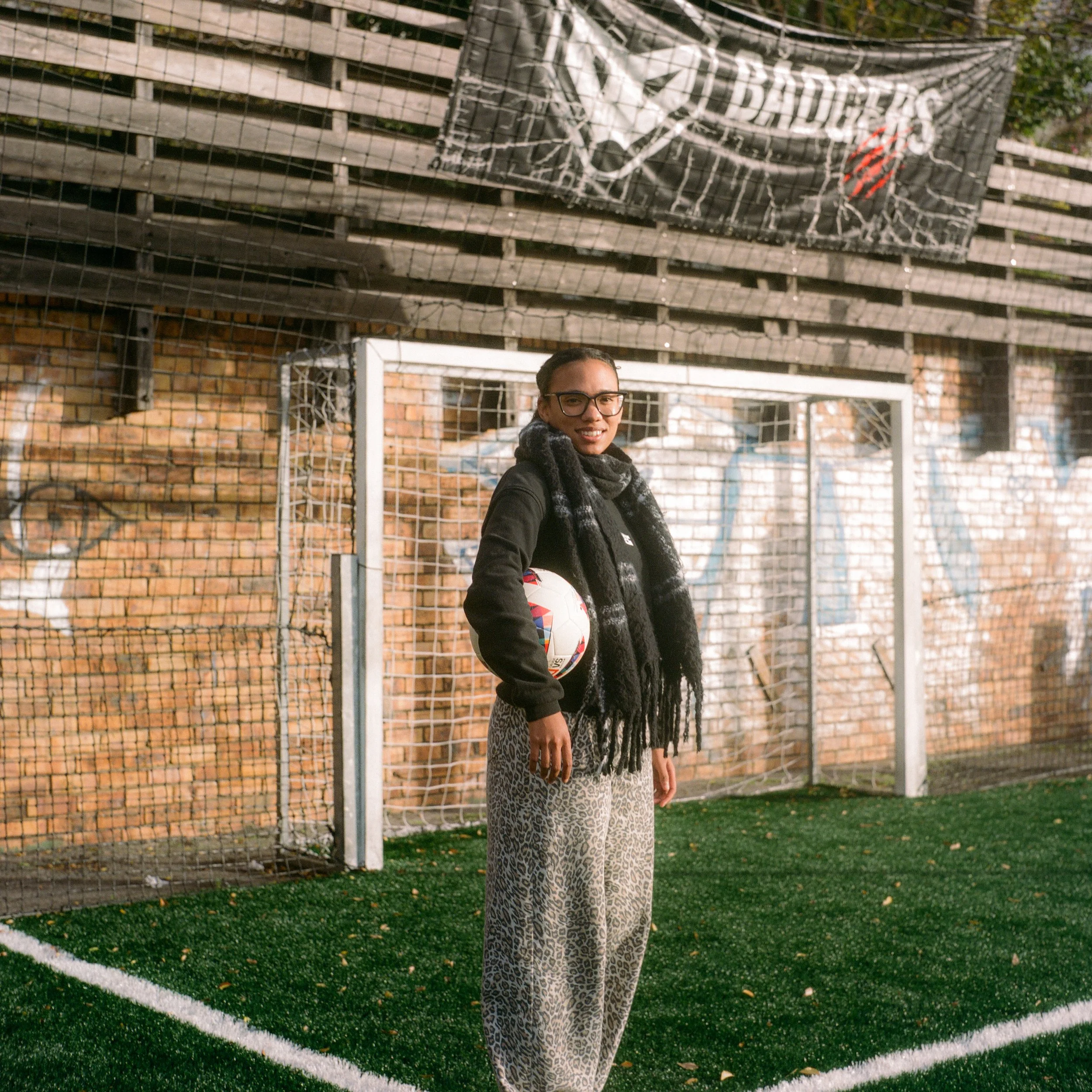
Badgers Football Club is a great example of a community that has successfully represented the rich diversity of South Africa whilst being one of the biggest grass roots women’s football clubs in the country. Romaney Pinnock, the founder of the club, shoots for an inclusive and positive space for young women and girls.
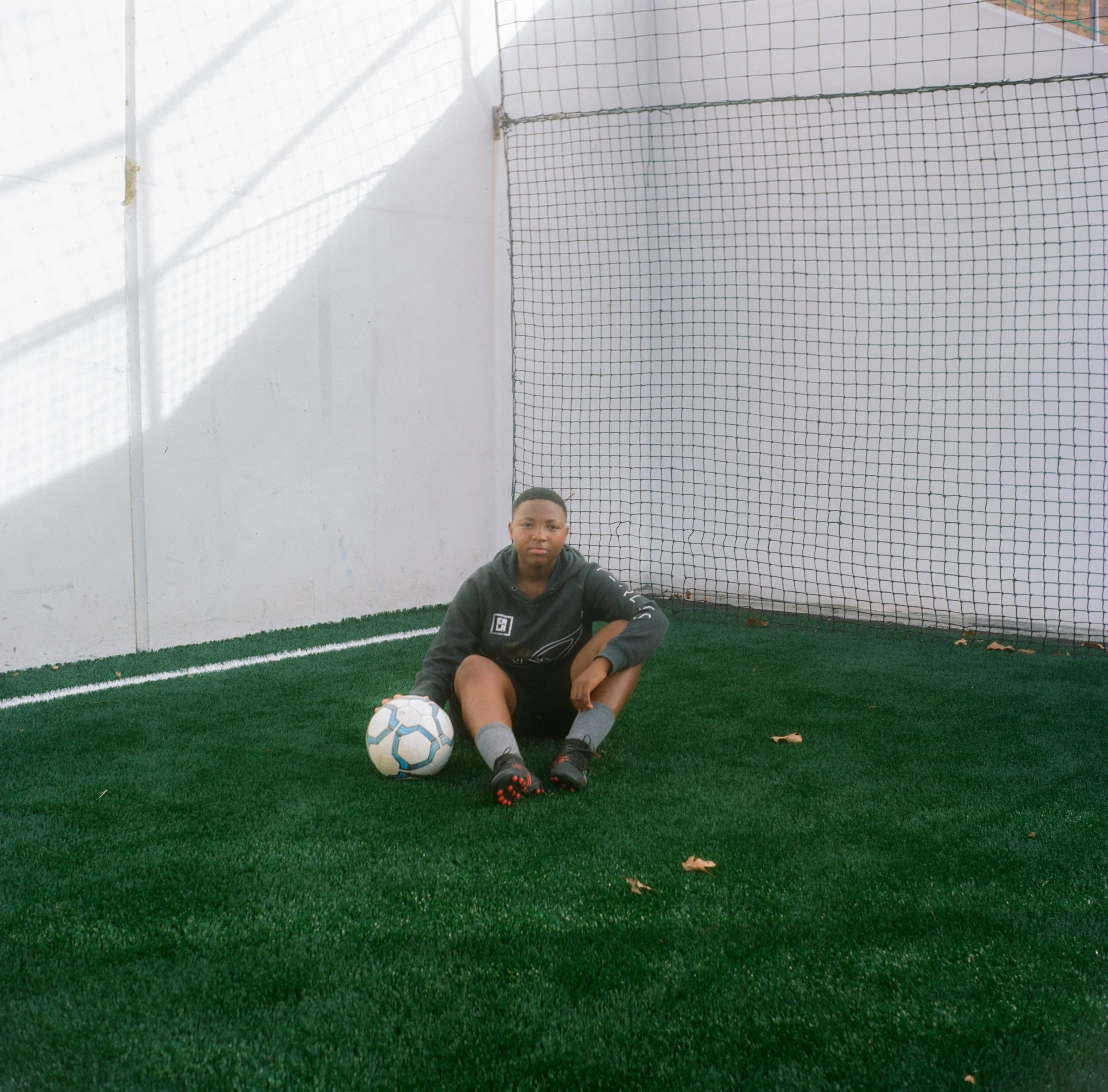
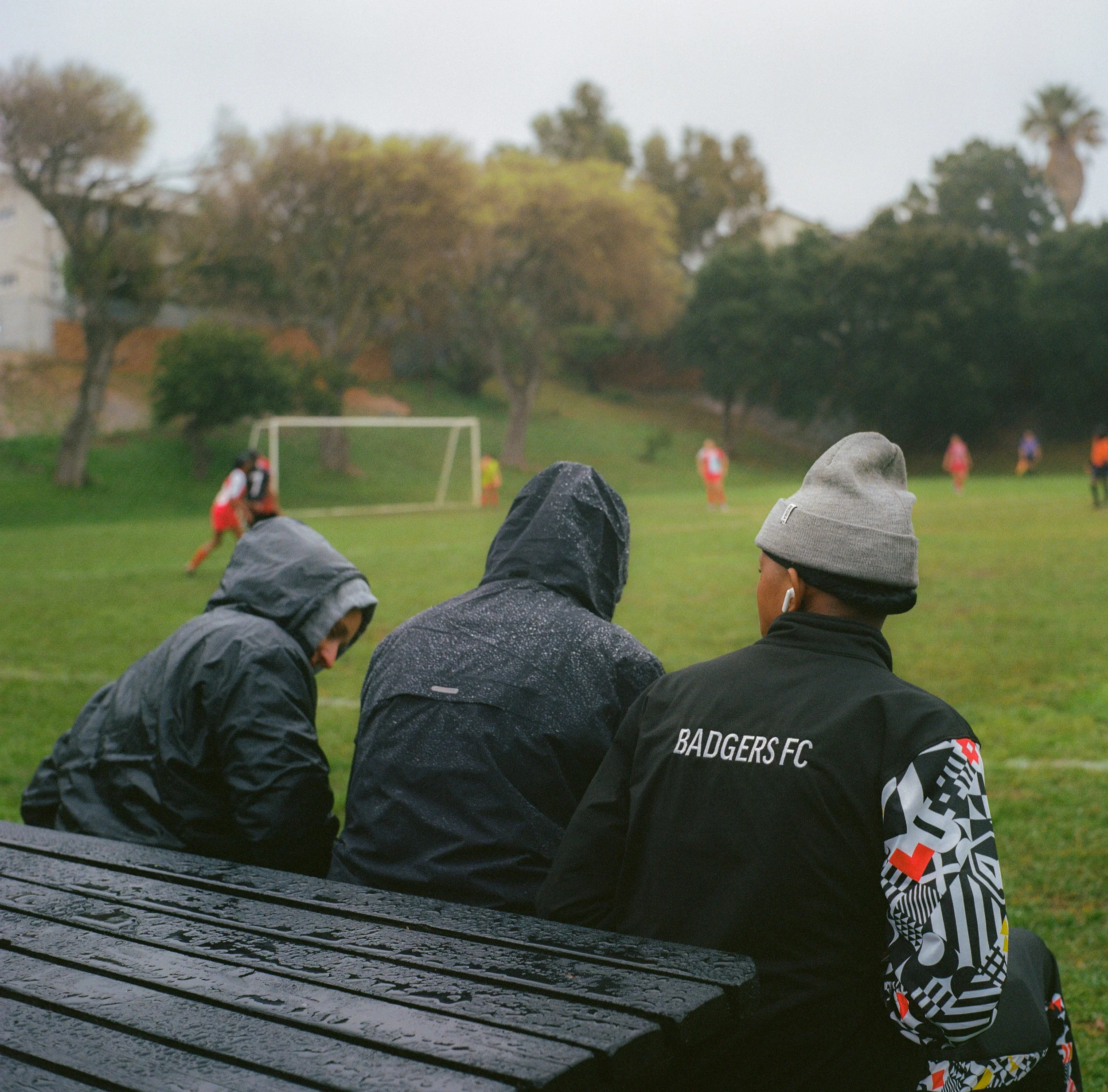
Badgers is more than a club: it is a movement that creates friendships and strengthens community through mentorship. The goal of the club is not to win; it is to create a brave space, to upskill young adults on an educational and physical level, and create healthy lifestyle habits.
Romaney started Badgers because she felt that there were not enough spaces for women’s football in Cape Town’s CBD. Her male friends were reluctant to let her join their casual 5-a-side games and so an idea was born out of frustration.
"Eight years ago I was in a pub with two friends who were talking about their 5's game the following day. I wanted to join their game but they said it wouldn’t be possible because I was a complete beginner. In frustration, I made a WhatsApp group and put every woman I knew in Cape Town on the group. I said ‘I’m starting a women’s football club, add anyone you want to the group’. We very quickly had ten adult, beginner women who were committed. We hired a coach to show us the basics. Women were sharing amazing stories about personal growth, improved body confidence, improved mental health and more. My thinking was, if getting together for a team sport is changing the lives of these adult women, imagine what it could be doing for young girls across the city who ordinarily would not have access to sporting communities."
Three years after the first session, Badgers Football Club registered as a non-profit organisation and started working with girls across the city, using football as a tool for personal growth. Their players come from all over Cape Town, making their teams and staff a wonderful mix of races, cultures and religions. There is a strong focus on education and upskilling. Romaney explains that:
"We try to assist with school fees and course fees as much as we can. We have covered over 30 school scholarships, coaching courses and referee courses for our players and staff over the years."
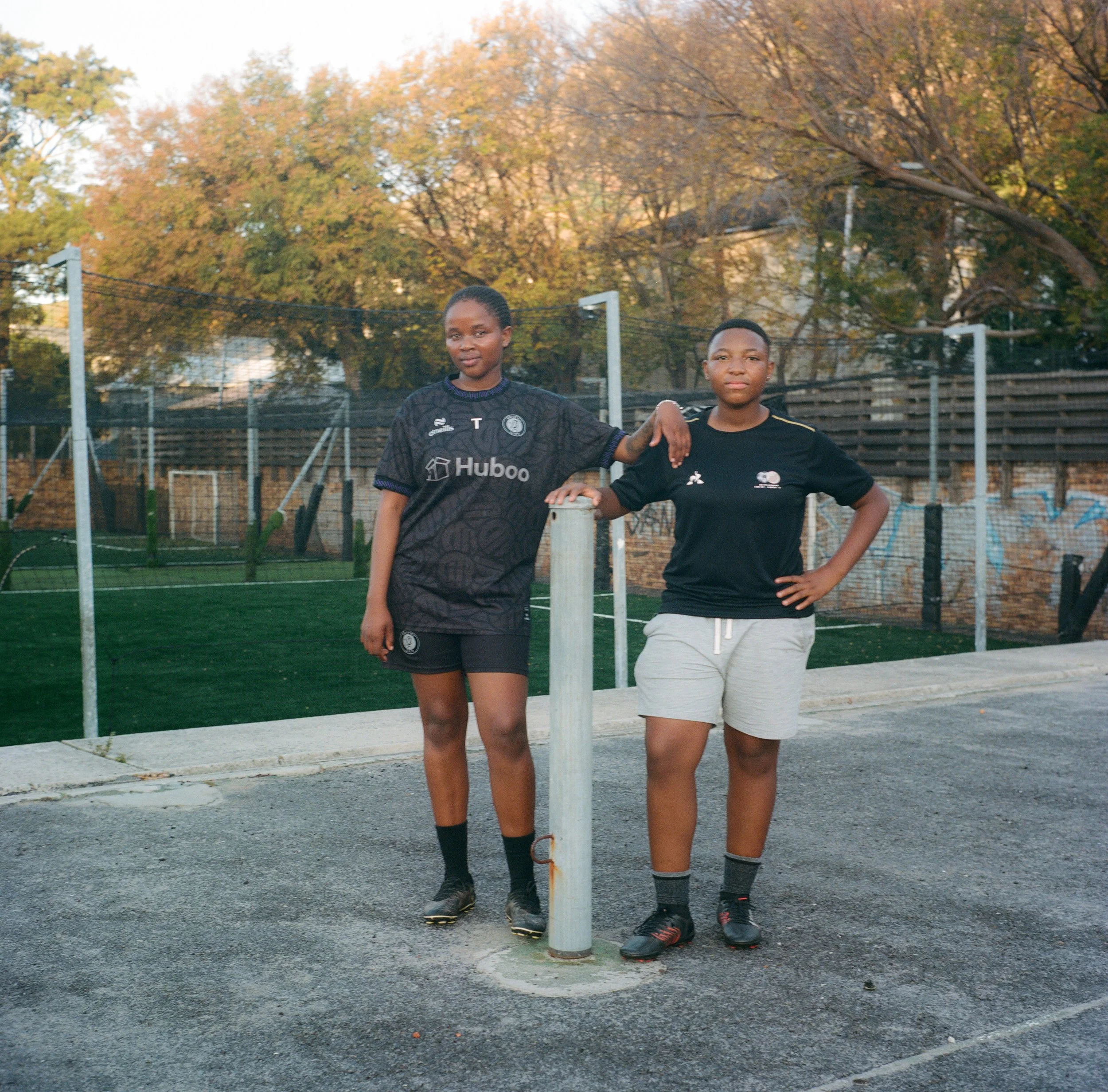
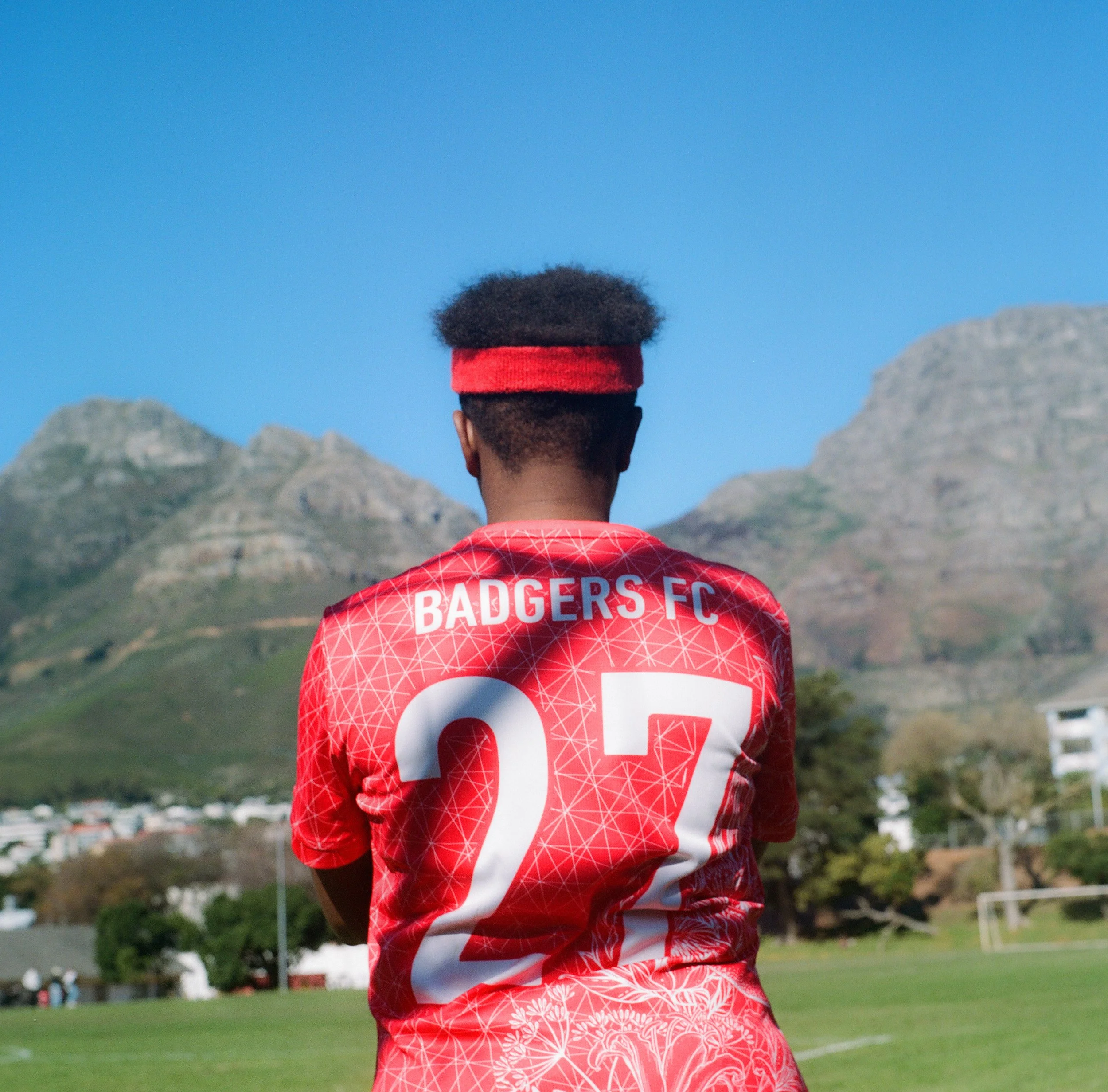
Tharwah Moos, an attacking midfielder, has been at the club since 2021. She has come through the junior teams and has played for the 1st and 2nd team at Badgers. Tharwah describes how her experience at the club:
“The club (Badgers) is open and welcomes everyone without judgement - it makes you feel at home and you can be yourself. Badgers has helped me gain my confidence in football again. It is lovely to be a Badger.”
Badgers Football Club has four 11 a-side teams, from U16s to opens and multiple friendly 5 a-side groups. 2025 has been a challenging year for Badgers’ first team as they navigate competing in the Sasol Women's League (SWL). The SWL, one of South Africa's most prestigious football competitions, is facing a crisis that threatens the very fabric of women's football in the country. Over 5 million South African Rands (288 633 US Dollars) is owed to clubs around the country by the South African Football Association (SAFA). These stipends are essential for clubs to continue to compete in the league. In early 2025, 14 clubs in the Western Cape province, including Badgers Football Academy, boycotted the league and took SAFA to court over this matter. In response, SAFA suspended the clubs and replaced them with other teams from lower divisions. SAFA further defied the Western Cape High Court twice, which ordered SAFA to adhere to the initial court orders regarding the participation of clubs in the league, including grants and competition money owed to the clubs. Romaney states that:
“Badgers is proud to be one of the clubs taking a stand against SAFA Western Cape, alongside our fellow clubs who are driven by fairness and functioning moral compasses. We are seeing similar action in other provinces and we hope that the legal systems work in our favour to shut down the greed, dishonesty and mismanagement that we see in the organisation that should be supporting and championing the women’s game.”
Despite the logistical SWL challenges, Badgers has found game time for their first team with friendlies happening almost every weekend. Instead of staying quiet without official games, they continue to make noise against SAFA.
As of the 1st of July 2025, the contract between the South African national women’s football team, Banyana Banyana, and Sasol has expired, leaving the 2022 Women's Africa Cup of Nations Champions without a main sponsor. The sponsorship from the petroleum company began in 2009 and spanned for almost two decades. Not only did it fund Banyana Banyana, but it was instrumental in the growth and visibility of women's football in South Africa, particularly through the second tier Sasol Women's League that has 144 teams and 18 divisions nationwide.
Badgers remain positive about the future, even if it means the end of the SWL. For Badgers, the most important outcomes are the values and lessons that come from being part of the club that can be used outside of football. After spending the 2025 season with them, I believe the culture at Badgers is different. The players are fierce yet kind, stubborn yet open-minded, unapologetic yet accountable. Its ambiguity allows people who usually would not feel comfortable playing football to have a space that is accessible for self-expression. The Badgers truly live up to their name: fierce in a fight, no matter how big the enemy is, with tenacity far greater than their size.
If you would like to donate to their cause, please reach out to them here: romaney@badgersacademy.com
Visit our socials to see more: